





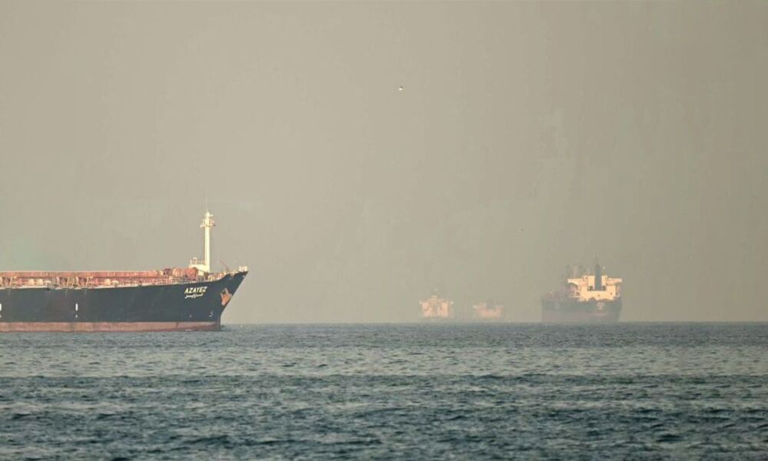
Morocco has issued a stern warning at the United Nations Security Council against the weaponization of maritime routes, specifically referencing the ongoing closure of the Strait of Hormuz.
Speaking during a high-level debate on maritime security, Morocco’s Permanent Representative to the UN, Omar Hilale, condemned the use of vital waterways as instruments of pressure or coercion. He characterized the Strait of Hormuz as a vital artery for global energy and argued that no state has the right to hold the global economy hostage through the control of maritime passages. Hilale emphasized that the seas are a common heritage of humanity and should never be used as bargaining chips for states pursuing long-term doctrines of hostility.
The Moroccan diplomat also strongly denounced attacks on commercial vessels in the Arabian Sea, the Gulf of Aden, and the Red Sea. He attributed these actions to armed groups reportedly backed by specific states and labeled them as blatant violations of the UN Charter and international law. According to Hilale, these disruptions to commercial shipping cannot be justified by any political or ideological reasoning. He called upon the international community to take historic responsibility to ensure that geography is not taken hostage by ideology and that maritime routes are not turned into weapons by states that support militias and interfere in the affairs of others.
From Morocco’s perspective, maritime security is a fundamental pillar of global peace, given that over 90% of international trade is transported by sea. Hilale noted that any threat to the freedom of navigation constitutes a direct attack on the livelihoods and economies of people worldwide. He highlighted Morocco’s own strategic position at the Strait of Gibraltar, noting that for the Kingdom, maintaining open sea lanes is a legal obligation and an existential commitment rooted in history and geography. Morocco continues to contribute to regional security through cooperative mechanisms and anti-smuggling efforts along its extensive coastlines.
The urgency of this appeal is underscored by the current closure of the Strait of Hormuz, which began in late February 2026 following a conflict between Iran and the United States. UN Secretary-General António Guterres warned that this closure could trigger a global food crisis and push millions into famine, particularly affecting the world’s least developed nations. With more than 20,000 seafarers and 2,000 commercial vessels currently stranded due to navigation restrictions, Morocco urged the Security Council to adopt a firm stance, warning that threats to the seas today represent a direct risk to collective global stability tomorrow.
AK/Sf/lb/abj/APA