





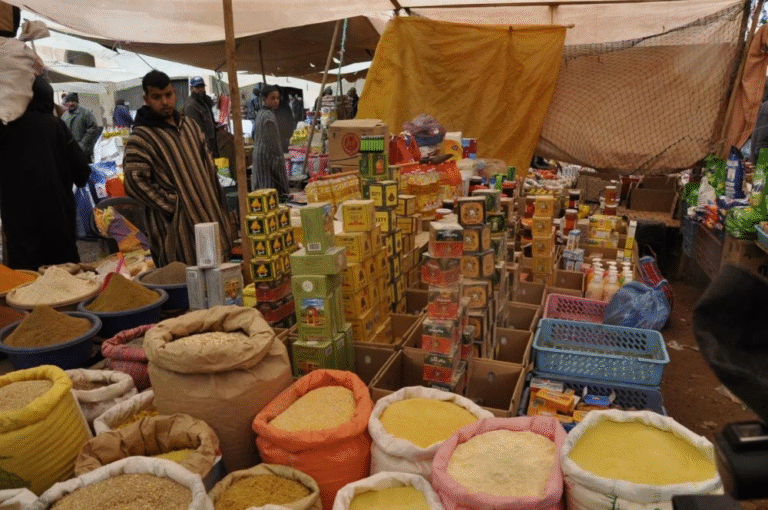
Morocco is launching a major initiative to modernize its rural weekly markets, backed by a significant investment of one billion dirhams (approximately €95 million).
The program, announced by Interior Minister Abdelouafi Laftit, is a comprehensive effort to boost the local economy, improve public health, and enhance the overall management of these vital community hubs.
According to Minister Laftit, many of the country’s rural markets suffer from outdated infrastructure and poor organization, which hinders the efficiency of the local economy and limits municipal revenue. This new plan aims to address these issues head-on.
The project is a result of a joint effort by several government ministries, with funding allocated as follows: Ministry of the Interior: 500 million dirhams. Ministry of Agriculture: 250 million dirhams. Ministry of Industry and Trade: 250 million dirhams
This institutional cooperation is designed to make the markets more competitive, attract new investments, and create jobs in rural communities.
The modernization goes beyond physical renovations. The program will also introduce new management models to replace old, inefficient rental systems. Municipalities will be encouraged to adopt more modern approaches, such as delegated management or local development companies, and a new reference manual will be distributed to standardize operations nationwide.
A key component of the project is a focus on public health and food safety. Veterinary supervision will be mandated for all slaughterhouses within the markets, and regular inspections will ensure strict compliance with hygiene standards. These measures are expected to protect public health and build greater consumer confidence.
Ultimately, the modernization program is designed to re-establish rural markets as central pillars of the local economy. By providing better infrastructure and a more organized environment, the government hopes to better support small-scale producers, facilitate the sale of local agricultural products, and contribute to the fight against poverty in rural areas. The initiative aims to transform a long-standing tradition into a powerful engine for sustainable development.
MK/Sf/fss/abj/APA