





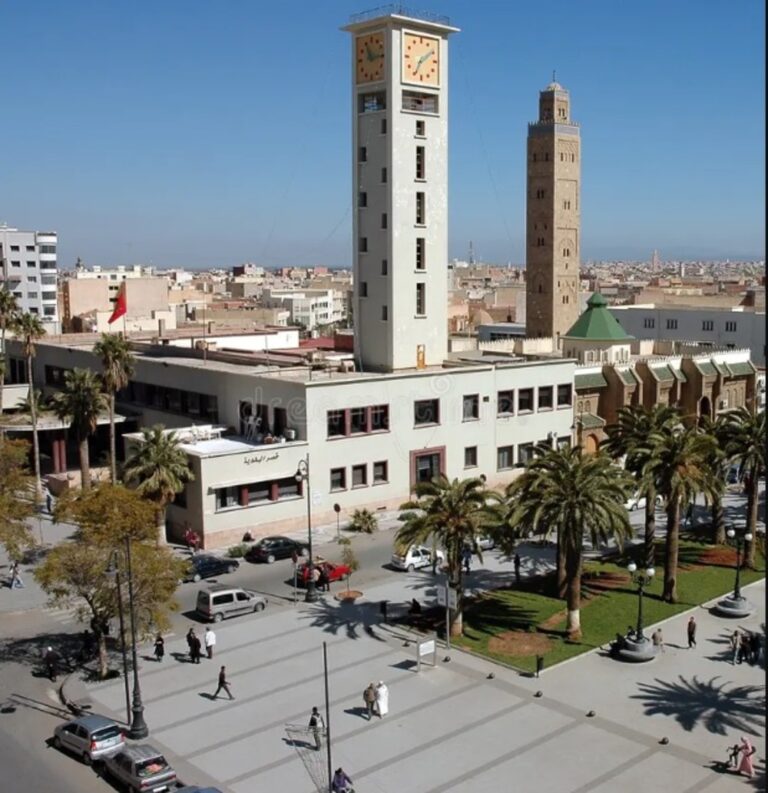
The historic border city of Oujda, Morocco, has achieved a significant milestone in civic engagement by being officially recognized as the 468th International City of Peace.
This designation by the global organization International Cities of Peace places the Oriental region’s capital within an elite network of communities dedicated to fostering harmony through education, grassroots action, and consistent dialogue. Long regarded as a crossroads of civilizations, Oujda is now drawing international acclaim for its youth-led movements that prioritize human rights and intercultural understanding as the foundation for modern stability.
Central to this achievement is the local Youth for Peace Team, a collective of young leaders who view peace as a daily communal practice rather than a distant diplomatic goal. Their initiatives focus on social cohesion and human dignity, providing a platform for the younger generation to actively shape the future of their society. This recognition connects Oujda to a global framework of support, reinforcing its role as a regional hub for cooperation in a part of the world where youth engagement is increasingly vital for long-term development.
The movement is the culmination of years of advocacy by local peace and human rights defenders, including prominent activist Zakaria El Hamel. His work has centered on empowering youth and encouraging civic participation, demonstrating how grassroots leadership can transform local communities even in challenging environments. By joining the International Cities of Peace, Oujda validates the efforts of those who have long promoted coexistence and mutual respect across cultural boundaries.
As Oujda takes its place on the global stage, local leaders hope this recognition will spark deeper collaboration between civil society and international institutions. The message from Oujda is clear: when a community invests in the universal values of human rights and dialogue, even a border city can serve as a beacon of hope. This official declaration honors the city’s past legacy while inspiring future generations to maintain Oujda’s commitment to building a more peaceful world.
ABJ/APA