





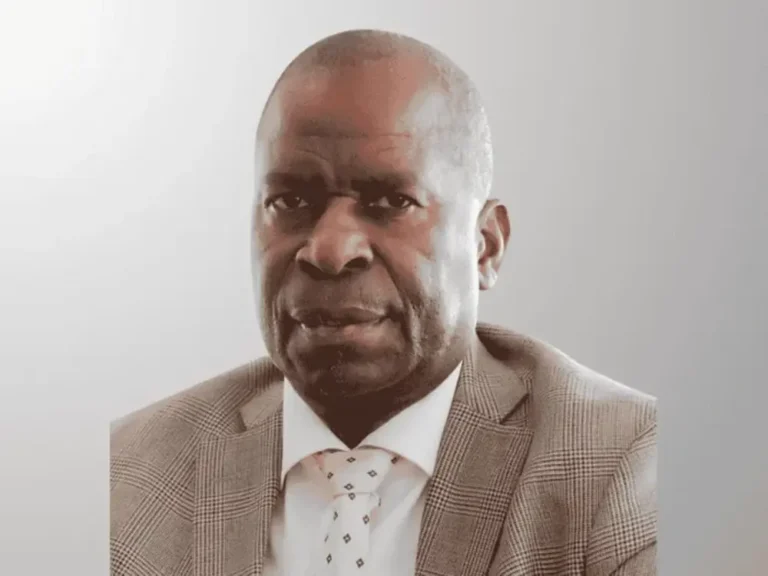
Mozambique’s Minister of Mineral Resources and Energy, Estevão Pale, is set to lead a high-level delegation to the Angola Oil & Gas (AOG) 2026 Conference and Exhibition in Luanda this September.
This strategic participation comes at a pivotal moment as global demand for Liquefied Natural Gas (LNG) is projected to climb 54% by 2040, prompting both Mozambique and Angola to intensify their coordination and knowledge-sharing efforts. Mozambique is currently navigating a critical project execution and financing phase, bolstered by improved security dynamics that have allowed major operations to resume.
Key projects under this push include the TotalEnergies-led Mozambique LNG project, which targets a 2029 export start, and the ExxonMobil-led Rovuma LNG project, which is aiming for a final investment decision (FID) in 2026. Additionally, the Eni-led Coral Norte FLNG project is on track for a 2028 start, further expanding the production capacity of the nation’s Area 4.
Parallel to these developments, Angola is advancing its own gas monetization strategy, anchored by the long-standing Angola LNG facility which recently received a significant feedstock boost from the Quiluma field in March 2026. Recent discoveries, such as the Gajajeira-01 well, continue to reinforce Angola’s potential as a long-term gas exporter. As Angola works to increase gas to 25% of its energy mix, its extensive experience in export logistics and operations offers vital lessons for Mozambique as both nations strive to become reliable global suppliers.
The collaboration between the two countries extends into regulatory and fiscal realms, where Mozambique looks to draw from Angola’s successful history of attracting foreign capital through supportive policy environments and multi-year licensing strategies. Frameworks such as Angola’s Gas Master Plan and incremental production decrees provide a competitive blueprint for Mozambique as it enters the next phase of its energy development. Ultimately, AOG 2026 will serve as a primary platform for advancing bilateral dialogue on investment frameworks and regional cooperation, positioning both African nations as essential players in the evolving global energy security landscape.
ABJ/APA