





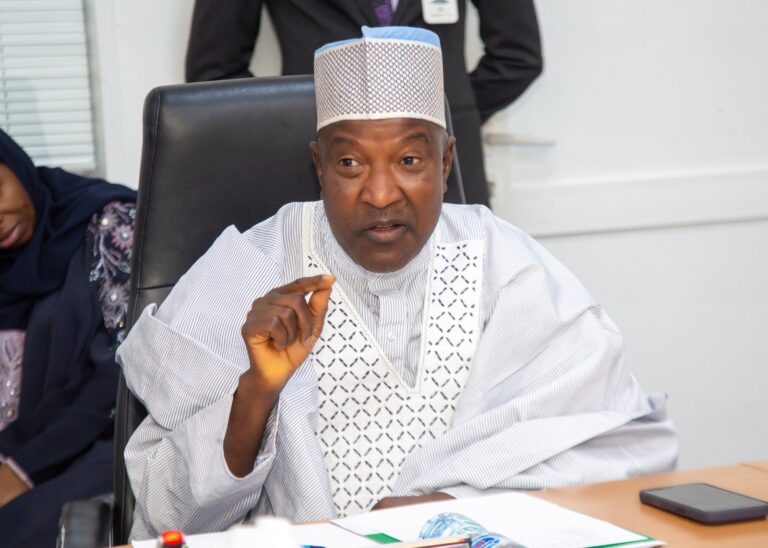
The Executive Secretary of the Nigeria Extractive Industries Transparency Initiative (NEITI), Musa Sarkin Adar, has declared that Nigeria is fully prepared for a perfect score in the 2026 validation of the global Extractive Industries Transparency Initiative (EITI), GeographicReference.
Speaking during an engagement with civil society organisations and the media, organised by NEITI and Rule of Law and Anti-Corruption in Nigeria (RoLAC) in Abuja, Mr. Adar said: “We are ready for them. Nigerians are very resilient people and very brilliant people. We are not afraid of their coming, and I assure you this time around, we must get that 100 per cent, and we will get it.”
He said that the administration of President Bola Tinubu remained committed to implementing EITI standards and sustaining Nigeria’s membership of the global transparency initiative. Politics.
According to him, NEITI has intensified engagements with key institutions to address outstanding corrective actions, holding bilateral meetings with the Nigerian Midstream and Downstream Petroleum Regulatory Authority (NMDPRA), Nigerian National Petroleum Company Limited (NNPC Ltd), Nigerian Upstream Petroleum Regulatory Commission (NUPRC), Federal Inland Revenue Service, Petroleum Technology Development Fund (PTDF) and other agencies.
Adar added that NEITI has also met with the EITI International Secretariat and Nigeria’s validation team to review timelines and assess readiness, while urging civil society organisations and the media to actively participate because their contributions would form part of the assessment.
“If Nigeria loses this process, the investors, especially foreign investors in the oil and gas and mining sectors, may not wish to come and invest in Nigeria,” he warned, stressing that EITI compliance has become a critical benchmark for investors seeking transparency and accountability in resource-rich countries.
In a remark, the CSO representative on the NEITI board, Dr. Erisa Danladi, explained that the validation process “enables civic actors to take stock of collective achievements, identify existing gaps, and explore practical ways of strengthening transparency, accountability and good governance within Nigeria’s extractive sector.”
GIK/APA