





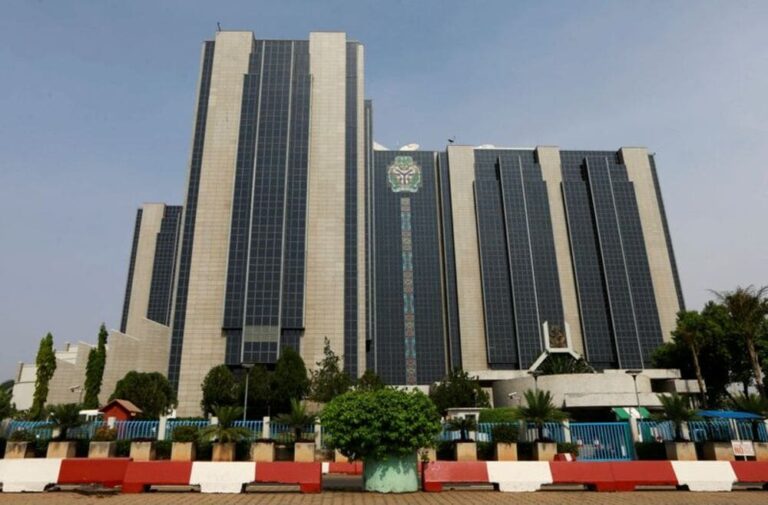
The Central Bank of Nigeria (CBN) has said it is on course to reduce inflation to single digits as part of its transition to an inflation-targeting monetary policy framework.
This CBN said in a statement that following an engagement with the Nigerian Economic Society and members of the academic community in Abuja that the shift to inflation targeting represented a major change in the Nigerian monetary policy approach.
Speaking at the session, the CBN Deputy Governor in charge of Economic Policy, Dr Muhammad Abdullahi, described the engagement as timely and essential to Nigeria’s ongoing economic reforms, adding that the new framework would strengthen policy credibility and long-term price stability.
According to the statement, the transition to an inflation-targeting framework marks a significant shift toward a transparent, forward-looking, and rules-based monetary policy system anchored in long-term price stability.”
Abdullahi said that the framework would serve as a key anchor for the economy by shaping expectations and reducing the impact of external shocks.
He noted that inflation targeting would serve as a crucial nominal anchor for the Nigerian economy, adding that stabilising inflation expectations would help lower risk premia and support long-term investments.
The CBN noted that ongoing global uncertainties, including geopolitical tensions and volatile energy prices, make the need for a credible monetary anchor more urgent for emerging economies like Nigeria.
The statement highlighted several reforms already implemented by the bank to support the transition, including a return to orthodox monetary policy tools and a gradual withdrawal from quasi-fiscal interventions.
It added that foreign exchange market reforms, such as rate unification and the introduction of electronic trading platforms, have improved price discovery and reduced volatility.
The apex bank also cited improvements in banking sector stability through recapitalisation efforts and stronger prudential oversight, alongside better coordination with fiscal authorities.
According to Abdullahi, these measures are already producing results. “Headline inflation declined sharply from 34.8 per cent in late 2024 to 15.1 per cent by early 2026, driven by sustained monetary tightening and improved policy discipline,” the statement said.
Looking ahead, the CBN said it is firmly on track to achieve low and stable inflation in the medium term. “The medium-term target is to steer inflation into a single-digit range of 6–9 per cent, barring major external shocks,” the statement read.
Abdullahi noted that achieving this target would depend on sustained policy discipline, well-anchored expectations, and strong institutional credibility.
GIK/APA