





Ranked second in the world by Time Out magazine, Rabat is poised to become a major cultural destination in 2026, driven by new landmark facilities and unprecedented international recognition.
The Moroccan capital, Rabat, has established itself as one of the must-see destinations of 2026, according to Time Out magazine’s annual ranking, which places the city second in the world.
Rabat appears alongside international destinations such as the Canadian Rockies, Hamburg, and Oaxaca, in a selection highlighting regions that successfully combine local identity, cultural dynamism, and urban renewal.
Long overshadowed on the international tourism scene by other Moroccan hubs, Rabat is now experiencing a remarkable rise to prominence. The ranking underscores the capital’s gradual transformation into the cultural epicenter of the Kingdom, at a time when cities like Casablanca, Essaouira, and Agadir have already solidified their appeal to international travelers.
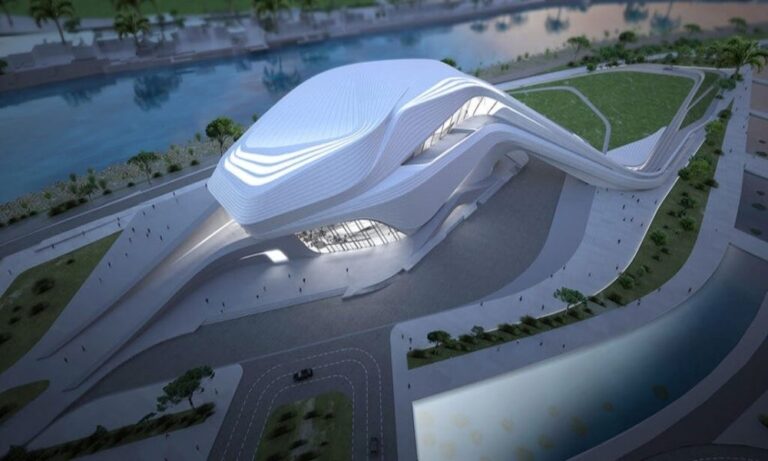
According to Time Out, 2026 marks a pivotal year for Rabat, notably with the announced opening of the Grand Theatre of Rabat, designed by world-renowned architect Zaha Hadid.
This large-scale cultural facility includes a main auditorium with 1,800 seats and a 7,000-seater amphitheater. It is presented as one of the most ambitious cultural projects on the African continent, reinforcing Rabat’s reputation as a regional arts and creative hub.
The magazine also highlights Rabat’s designation as UNESCO World Book Capital, a title awarded on the occasion of World Book Day in April 2026.
This international recognition will be accompanied by a packed program dedicated to promoting reading and knowledge, including official ceremonies, workshops, masterclasses, and public events
centered around books.
This sustained cultural activity reinforces the image of a capital city undergoing a renaissance, focused on creativity, education, and intellectual dialogue.
For Time Out, Rabat now embodies a destination where heritage, modernity and cultural innovation come together, illustrating the emergence of a new center of tourist and cultural attraction in North Africa.
MK/ak/ac/fss/as/APA