





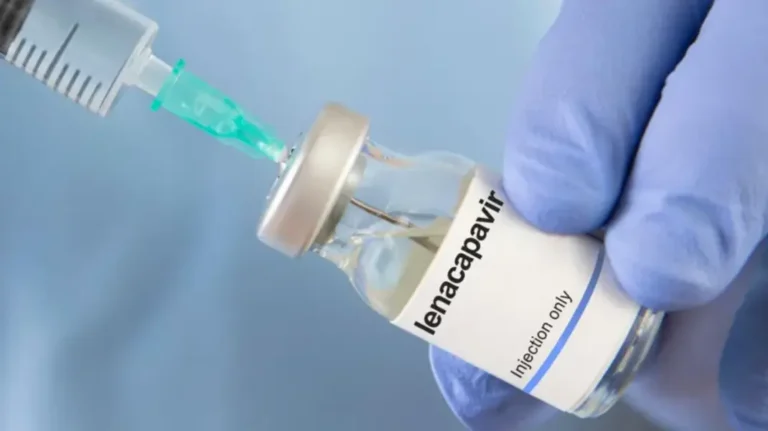
South Africa will start rolling out long-acting HIV prevention drug lenacapavir as early as March 2026, Health Minister Aaron Motsoaledi has announced.
The injectable, which offers six months of protection per dose, is expected to significantly reduce new infections and bolster the country’s efforts to end AIDS as a public health threat.
Speaking at a national roundtable on lenacapavir access and sustainability on Tuesday, Motsoaledi described the drug as a “much-needed innovation” that addresses persistent gaps in current prevention tools.
“We need prevention methods that fit into people’s lives,” he said. “Lenacapavir expands the choices within our combination prevention strategy.”
“This is where lenacapavir comes in as a timely and much-needed innovation to help us overcome the persistent challenges in our HIV/AIDS response, especially when it comes to prevention.”
The rollout will initially target 23 high-incidence districts across six provinces, with approximately 360 public clinics expected to administer the drug.
Key populations include adolescent girls, pregnant and breastfeeding women, female sex workers and men who have sex with men – groups most vulnerable to HIV transmission.
South Africa remains one of the countries hardest hit by the HIV epidemic, with an estimated 149,000 new infections recorded in 2022 and 2023 alone.
Lenacapavir’s clinical trials have shown 100 percent protection among women and 96 percent among men who have sex with men and transgender women, offering hope for a dramatic reduction in transmission rates.
JN/APA