





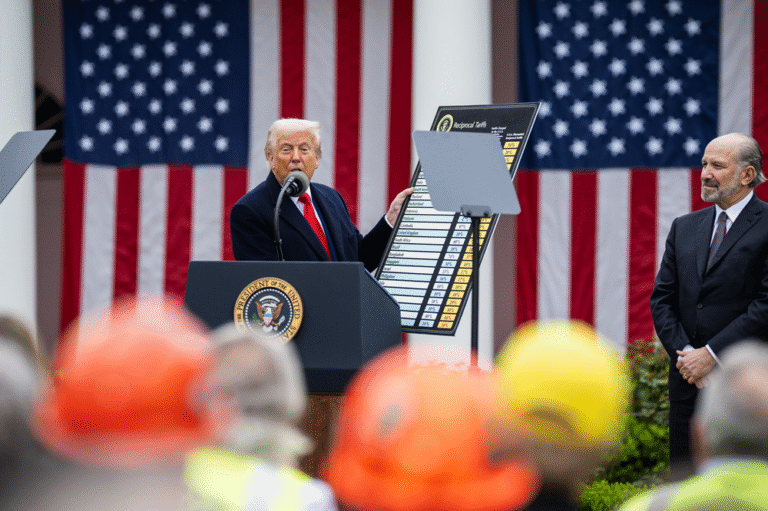
A 10-percent tariff on Egyptian imports to the United States is reshuffling the deck for several key sectors, as
bilateral trade reached $7.59 billion over ten months in 2024.
The US decision to impose a uniform 10 percent tariff on Egyptian imports affects different sectors differently. Ready-to-wear and textiles, major providers of jobs and foreign currency, are seeing their competitiveness eroded in a demanding and price-sensitive US market.
Fertilizers and chemicals, another mainstay of exports, are facing a double shock: entry costs and growing environmental pressure from buyers.
Building materials (aluminum, glass, stone) are experiencing squeezed margins in already highly competitive segments. Processed agri-food products, sensitive to quality and standards, could lose ground to competitors benefiting from preferential agreements. The electrical/electronics sector, still modest but growing, risks slowing
its move upmarket.
Bilateral sales of $7.593 billion (including ~$1.95 billion in Egyptian exports) illustrate the challenge. To mitigate the shock, manufacturers are discussing options: upgrading, better local integration to absorb the tariff, market diversification (EU, Africa, Gulf), and, if possible, resorting to alternative customs regimes through trade agreements.
Economic diplomacy will have to focus on sectoral exemptions, advocacy with American importers, and improving standards to justify tariff increases on the customer side.
MK/ac/fss/as/APA