



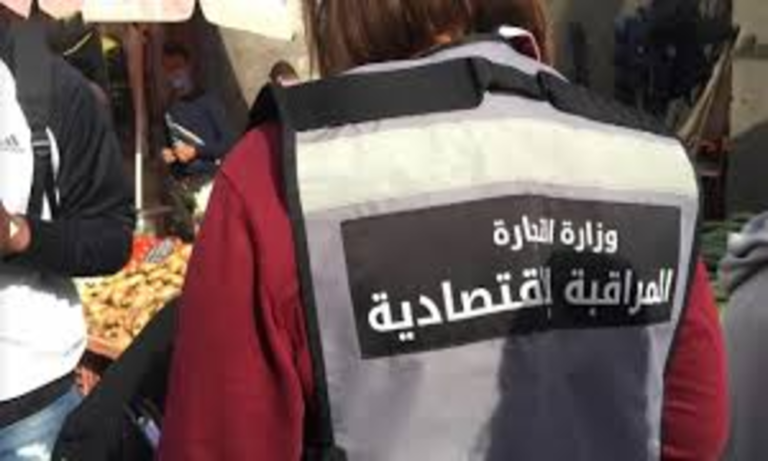
The Tunisian government has launched a comprehensive security and economic initiative that signals a departure from seasonal enforcement toward a permanent system of market regulation and narcotics interdiction.
Coinciding with the start of Ramadan, the strategy aims to protect household purchasing power while dismantling transnational criminal networks.
On the economic front, the Ministry of Commerce has deployed “economic control brigades” tasked with preventing artificial price hikes on essential goods, specifically targeting bread and other basic foodstuffs. Authorities emphasize that unlike previous years, these monitoring systems will remain in place indefinitely to combat inflationary pressures and ensure equitable access to necessities for all Tunisian families.
Simultaneously, the government has intensified its “zero tolerance” policy toward drug trafficking. This follows a significant operation at the Ras Jedir border crossing, where Tunisian customs intercepted several dozen kilograms of cocaine being smuggled from Libya. President Kaïs Saïed has characterized the rise of narcotics as a direct threat to national stability and the country’s youth. To address this, the Parliament is currently reviewing draft legislation that would significantly increase penalties for traffickers, particularly those operating near schools and educational institutions.
By linking market regulation with public safety, the Tunisian executive is presenting a unified vision of governance centered on citizen protection. Officials assert that these measures are designed to strengthen institutional confidence and ensure long-term social stability in a challenging regional economic climate.
MK/AK/fss/abj/APA