



Kenya has been critical of US logistics contribution toward its police mission tackling gang violence in Haiti.
It has been more than a year since Kenya deployed its police forces as part of the Multi Support Mission in Haiti, created in October 2023 for the restoration of law and order in the Caribbean nation where competing gangs have been running amuck unleashing indiscriminate violence.
The United States has been among the most important contributors of logistics and other intervention for the mission.
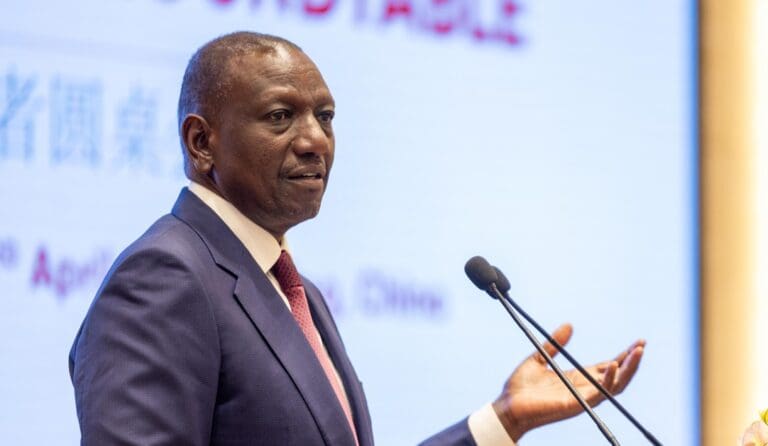
However, while commending Washington’s commitment to its pledges, the quality of it has come under scrutiny by none other than Kenyan President William Ruto speaking at the UN General Assembly in New York on Monday.
Literally looking a gift horse in the mouth, President Ruto suggested that military vehicles donated to the mission broke down regularly, becoming death traps for the Kenyan police using them to patrol dangerous districts of the Haitian capital Port Au Prince.
Since February 2025, the Kenyan contingent of the MSS has lost three of its members from ambushes in areas deemed as notorious gang bastions hostile to constituted authority.
“I must commend the US they did make available logistics, vehicles, but unfortunately, most of the vehicles were second-hand vehicles and therefore broke down many times” Ruto told the UNGA.
“It put our personnel in great danger when they broke down in very dangerous places. But at least they stepped up. We didn’t, however, get any useful support from the other quota,” Ruto added.
The dangers Kenyan police face in Haiti have caused a backlash at home where critics have been warning that the mission while being an expression of black brotherhood reaching the African diaspora it should be put under review. Other more vociferous critics demand that Kenyan involvement be aborted altogether to save lives.
Aside from its logistical challenges, the mission is hamstrung by inadequate police boots on the ground given that it can only boast of 991 personnel out of the initially proposed 2500.
Most of them are Kenyan.
It also consists of 150 personnel from Guatemala, 78 from El Salvador, 23 from Jamaica, six from The Bahamas and two from Belize.
WN/as/APA