





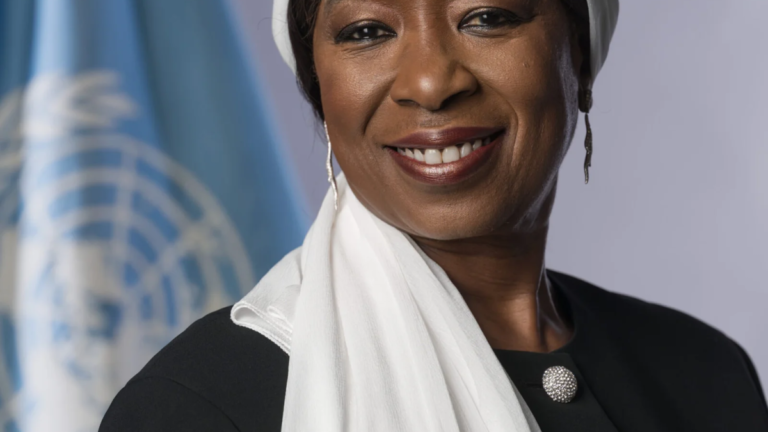
The United Nations Population Fund (UNFPA) has called Federal and State Governments in Nigeria to invest in young people’s rights, opportunities and wellbeing.
The UNFPA Executive Director, Ms Diene Keita, said in a statement marking the 2026 World Population Day that is observed annually on July 11 to highlight global population and development issues, that economic insecurity is limiting the ability of young people to build the futures and families they desire.
Keita said that the world was experiencing major demographic shifts, with some countries recording historically large youth populations while others grappled with rapid population ageing and changing social realities.
According to her, societies are also being reshaped by intersecting crises, widening inequalities, disruptive technologies and the growing spread of both information and misinformation across communities globally.
She said UNFPA’s recent Demographic Futures Survey examined how young adults viewed their lives, ambitions and prospects amid a rapidly evolving global environment marked by uncertainty.
“The survey is one of the largest bodies of evidence to date on young people’s life goals with respect to relationships and families.
“What we found is that most still hope for partnership and parenthood, yet many feel they may never see these dreams materialise.”
Keita said fragile labour markets, widening inequalities and prolonged conflicts had left many young people uncertain about achieving their aspirations in spite of their continued desire for stable relationships and families.
She said that contrary to common assumptions, younger generations had not abandoned the desire for marriage and children, with most respondents identifying marriage as their ideal relationship.
According to her, two children remained the preferred family size across most regions, although economic hardship and housing challenges were forcing many to delay such plans.
She explained that concerns about providing stable homes and financial security are leading many young people to question whether they can achieve their family aspirations in future.
“In short, it is uncertainty, not unwillingness, that has young people questioning whether they can start the families they want,” Keita said.
She cautioned governments against adopting demographic policies that pressured people into making reproductive decisions without addressing the underlying barriers limiting their choices and opportunities.
Keita noted that young people consistently expressed the need for greater security, economic opportunities and the freedom to make informed decisions about their lives and futures.
She urged governments to prioritise investments in affordable housing, healthcare, parental leave, childcare support and other measures that would empower young people to exercise their rights.
According to her, such investments would enable young people to make informed decisions about relationships and parenthood while contributing to stronger, more resilient communities and economies.
GIK/APA