



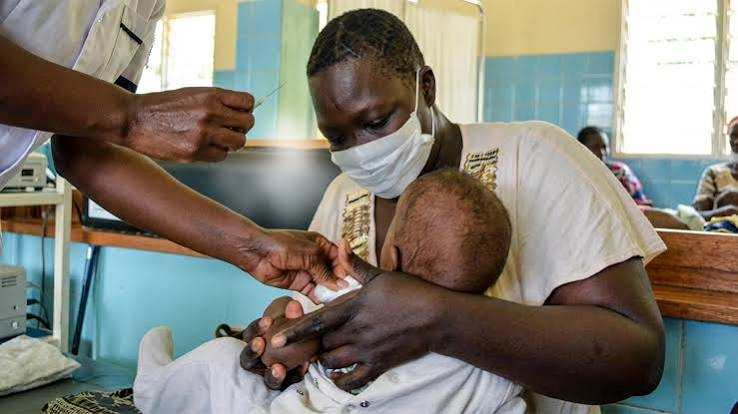
The African Leaders Malaria Alliance (ALMA) says a 30 per cent cut in malaria financing can lead to 146 million additional malaria cases in Africa by 2030.
It could also cause nearly 400,000 deaths and 37 billion dollars in lost Gross Domestic Product (GDP).
ALMA said on Friday at the event titled, “Africa’s Leadership for Sustainable Malaria Financing: A Multisectoral Path to Elimination” during a high-level side event on sustainable malaria financing on the sidelines of the 81st United Nations General Assembly (UNGA81).
Hosted by President Advocate Duma Gideon Boko of Botswana, Chair of ALMA, in partnership with the African Union Commission and the RBM Partnership to End Malaria, the African leaders at the event called for stronger domestic financing, multisectoral action and deeper collaboration to protect gains made in the fight against malaria and accelerate progress towards elimination.
Africa currently accounts for 94 per cent of global malaria cases and 95 per cent of malaria deaths.
The leaders said that progress had stalled, with the risk of a resurgence amid major financing shortfalls, extreme weather events, growing resistance to insecticides and medicines, and humanitarian crises.
They also said that recent Global Fund and Gavi replenishments had fallen short of their targets, while official development assistance for health in Africa continued to decline.
They urged African countries to institutionalise malaria financing within national budgets and development plans, while calling on development partners to provide predictable support during the transition.
They also called on African countries to include malaria control in their World Bank IDA21 health compacts.
The leaders further urged the World Bank to consider a dedicated Malaria Booster Programme under IDA22.
Boko said Africa had the tools, experience, and leadership to change malaria’s trajectory but needed sustainable financing and collective action to match its ambition of a malaria-free future.
The Botswana president urged countries to pursue a managed transition towards sustainable domestic financing while strengthening political commitment to malaria elimination.
WHO Director-General, Dr Tedros Adhanom Ghebreyesus, said that sustained investment remained critical to preventing a reversal of progress against malaria.
“When investment is sustained, malaria retreats. When financing falls, it returns,” Tedros said.
He said that the National End Malaria Councils and Funds could provide a practical mechanism for bringing different sectors together to support malaria control and elimination.
“End Malaria Councils bring government, businesses, civil society, and communities around one plan and one financing platform.
“Every malaria-endemic country should establish and use such a mechanism adapted to its national context,” he said.
Boko said that Africa was ready to lead the fight but that malaria elimination remained a shared responsibility requiring sustained global partnership.
He urged member states, development partners and other sectors to translate the commitments into action.
“Let us finance the fight, bring every sector to the table, and deliver the big push to zero malaria,” he said.
GIK/APA