





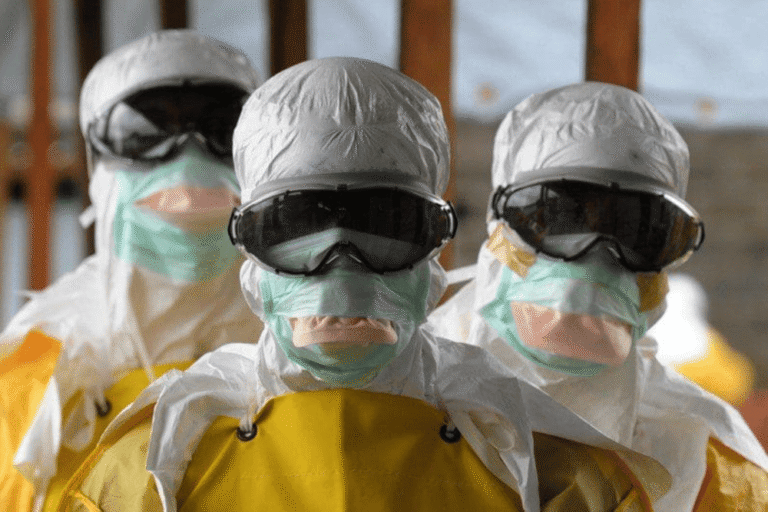
The Africa Centres for Disease Control and Prevention (Africa CDC) has officially declared an Ebola virus disease outbreak in the Ituri province of the eastern Democratic Republic of Congo, signaling an urgent need for a coordinated regional response. This declaration follows the confirmation of the virus by Congolese health authorities and the National Institute of Biomedical Research, which identified the presence of the pathogen in 13 of 20 analyzed samples. While sequencing is currently underway to determine the exact strain, initial findings indicate that this outbreak involves a non-Zaire ebolavirus. The current epidemiological data is concerning, with approximately 246 suspected cases and 65 deaths already recorded, primarily centered in the Mongwalu and Rwampara health zones.
The geography and social dynamics of the Ituri region present significant challenges to containment. Africa CDC has identified several high-risk factors, including dense urban populations, active mining operations, and high levels of population mobility. Furthermore, local insecurity and the region’s proximity to the borders of Uganda and South Sudan create a substantial threat of cross-border transmission. In light of these risks, a high-level emergency meeting was convened on Friday, May 15, 2026, bringing together health officials from the DRC and its neighbors alongside the World Health Organization to synchronize a localized and international strategy.
The immediate priorities of this response focus on the rapid implementation of surveillance, contact tracing, and the isolation of suspected cases. Health authorities are also prioritizing laboratory coordination, risk communication, and the management of safe burials to prevent further transmission of this highly contagious disease, which spreads through direct contact with bodily fluids. As the situation evolves, Africa CDC and regional partners are emphasizing that community engagement and strict adherence to health guidelines are the most critical tools for halting the spread and protecting millions of people across the subregion.
TE/Sf/lb/abj/APA