



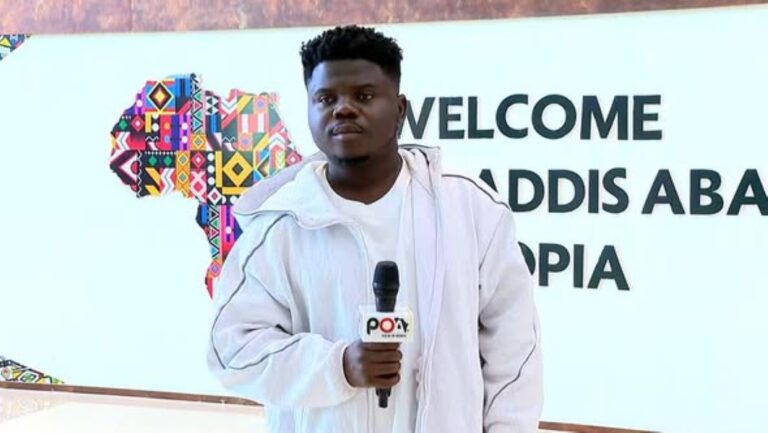
Social media stakeholders participating in a high profile media influencers summit in Addis Ababa are in concert that the continent must begin to portray its own stories and stop relying on others to do so.
The first African Social Media Influencers Summit kicked off on Friday in the Ethiopian capital, aiming at sharing real stories of Africa with the world and advancing digital diplomacy of the continent.
The summit held under the theme “Influence for the better Africa” has brought together leading social media influencers, content creators and communication strategists from over 30 African countries to discuss how digital platforms can be more effectively harnessed to drive Africa’s prosperity and reshape global perceptions towards the continent.
Speaking at the event, Seife Deribe, chief executive officer of the Ethiopian News Agency (ENA), said African social media influencers should take a more active role in reshaping global perceptions towards Africa as misinformation and outdated stereotypes continue to distort the continent’s image.
“The authors of Africa’s new story are in this room,” Deribe said, urging the participants to challenge distorted representations of Africa and to promote authentic narratives that reflect the continent’s progress, culture, and potential.
He said the summit aims to redefine what digital influence means in Africa, emphasising responsibility, community-building, and social impact over division and harmful online behaviour.
Gemeda Olana, CEO of AGA Tech Enterprise, a co-organiser of the summit, said African social media influencers are playing a critical role in shaping public opinion, expanding economic opportunities, and projecting the right image of Africa to the global community.
“This summit is not merely about gaining followers or creating viral content, but about influence, impact, and shaping Africa’s future through purposeful digital engagement,” he said.
During the event, prominent Ghanaian YouTuber and pan-African content creator Wode Maya said Africans must stop relying on outsiders to tell their stories and instead use their own platforms to challenge long-standing stereotypes about the continent.
“If you want to tackle stereotypes, you don’t wait for somebody to tell stories for you. You have to start telling the real stories,” Maya said.
According to data obtained from the organisers, Africa loses up to $4.2 billion a year due to distorted perception and stories told by non Africans.
The first African Social Media Influencers Summit also intended to promote partnerships, knowledge sharing and digital entrepreneurship through reaching more than 400 million viewers worldwide.
MG/as/APA