



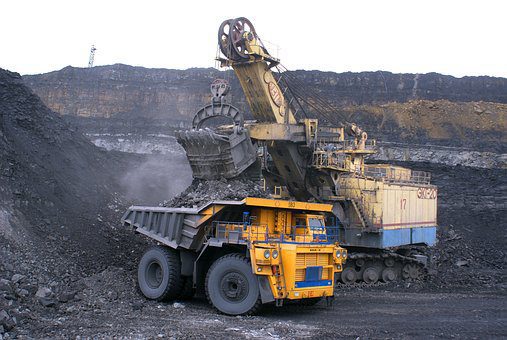
Mozambique’s President Daniel Chapo has signed into effect a new mining law that mandates 15 percent state ownership in all mining projects and requires local processing of minerals, placing the country among African nations tightening control over their natural resources.
The legislation, approved by Parliament in May, aims to strengthen state oversight of strategic minerals at a time when global demand for battery materials such as graphite is rising sharply.
A government notice dated 3 June says the law is intended to reinforce Mozambique’s management of its mineral wealth “in defence of the national interest.”
Under the new rules, the state, through the National Mining Company, will hold a minimum, free‑carried and non‑dilutable 15 percent stake in every mining venture across the value chain.
The law also prohibits the export of unprocessed or semi‑processed minerals unless companies receive specific ministerial authorisation tied to approved plans for eventual local beneficiation.
It remains unclear whether the new requirements will apply to existing mines, many of which operate under long‑term agreements.
The mines ministry has not yet commented on the transition arrangements.
Mozambique is the world’s third‑largest producer of graphite, a key component in electric‑vehicle and energy‑storage batteries, and hosts one of the world’s largest deposits at Syrah Resources’ Balama mine in the north.
The country is also home to the Montepuez ruby mine, the largest of its kind globally, and significant coal assets previously owned by Rio Tinto and Vale.
The move aligns Mozambique with a growing trend across Africa as governments seek greater economic returns from their mineral endowments.
Zimbabwe, Africa’s top lithium producer, has banned the export of raw lithium ore and is pushing for local battery‑grade processing.
The Democratic Republic of Congo, the world’s leading cobalt supplier, has tightened export rules and is pursuing regional battery‑manufacturing partnerships.
These policies reflect a broader shift towards resource sovereignty, with governments aiming to capture more value domestically rather than exporting raw minerals to global processing hubs.
JN/APA