





Despite a 5% increase in natural gas production in June 2025, Algeria experienced a loss of 230 million cubic meters in gas export sales.
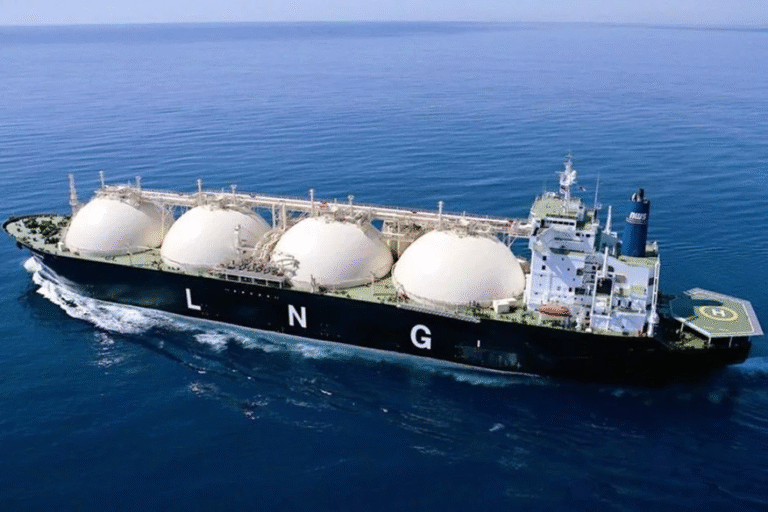
The primary reason for this paradox is a significant drop in Liquefied Natural Gas (LNG) exports, which highlights the strategic challenges of Algeria’s energy policy.
Algeria’s natural gas production rose to 8.20 billion cubic meters in June, up from 7.81 billion a year earlier. While pipeline exports to Southern Europe increased, LNG exports plummeted to just 0.8 million tonnes, a sharp decline from over one million tonnes the previous year. For the first seven months of 2025, total LNG exports dropped to 5.6 million tonnes, compared to 6.95 million tonnes during the same period in 2024.
This decline in exports is attributed to Sonatrach’s, the national oil company’s, ongoing struggle to modernize its industrial capacity. Frequent breakdowns at the Arzew facilities continue to undermine Algeria’s competitiveness, as it loses market share to major global players like the United States and Qatar.
Furthermore, Algeria faces a major domestic constraint: nearly 99% of its electricity is generated from gas. This high domestic consumption absorbs a significant portion of the country’s gas supply, limiting the volume available for export. In June, domestic use remained stable at 1.6 billion cubic meters.
While official statements downplay these losses as “cyclical adjustment,” the reality points to a lack of energy diversification and structural reform. Algeria remains heavily reliant on gas to meet both its growing internal needs and to maintain its budget, leaving it vulnerable to technical issues and global market pressures. Despite repeated promises from Sonatrach to renovate facilities and improve efficiency, these plans have yet to produce concrete results. The increase in production masks a fundamental issue: an imbalanced energy model that struggles to ensure both internal stability and international competitiveness.
MK/ac/fss/abj/APA