





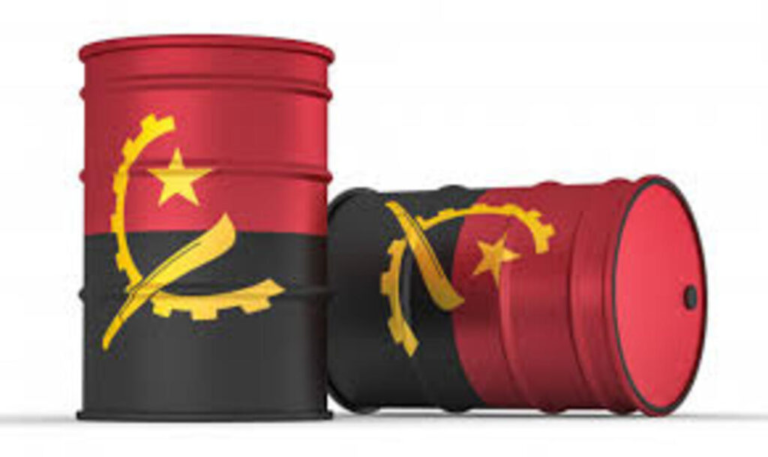
Angola is emerging as one of Africa’s most notable examples of recovery in the oil sector. According to the African Energy Chamber (AEC), a series of sweeping structural reforms combined with a proactive strategy to attract foreign capital has enabled the country to reverse a long-standing production decline and sustainably revive its hydrocarbons industry.
In his book, Crude Oil: Power, Turnaround, and Transformation in Angola, NJ Ayuk highlights this economic turnaround, attributing the success to key policy and institutional decisions implemented since 2017 under the administration of President João Manuel Gonçalves Lourenço, with the steady backing of the Minister of Mineral Resources, Oil and Gas, Diamantino Pedro Azevedo.
At the absolute heart of this operational shift is a deep and deliberate restructuring of Angola’s petroleum sector. The creation of the National Oil, Gas and Biofuels Agency (ANPG) effectively clarified upstream regulations by removing regulatory duties from the national oil company, Sonangol, which has now been refocused entirely on its core operational and commercial activities. This new institutional framework has significantly strengthened transparency, simplified complex licensing procedures, and improved the overall predictability of the local investment environment. As a direct result, the country has successfully launched a large-scale licensing program, with a substantial number of concessions already awarded to international partners.
To further boost capital inflows, Angola introduced a permanent licensing regime in 2021 that allows energy companies to bid continuously for oil blocks outside of traditional, time-restricted bidding rounds. This open-door mechanism quickly delivered tangible results, leading to the award of dozens of blocks within just a few years. At the same time, the government introduced specific frameworks to encourage the development of marginal fields and optimize mature oil assets, which culminated in a 2024 decree on incremental production designed to maximize resource recovery and extend the lifespan of existing fields.
Beyond crude production, Angola is actively accelerating its energy diversification strategy with a growing focus on natural gas. Backed by significant proven reserves, the country is seeking to build a fully integrated gas value chain supported by updated regulations, including the Gas Monetization Law and the Gas Master Plan. These structural reforms have already paved the way for the launch of major new initiatives, including the development of non-associated gas fields and several high-profile discoveries across the sector.
Concurrently, the government is working to expand its domestic refining capacity. Despite boasting high crude oil production, Angola has historically remained heavily dependent on expensive imported refined products. To reduce this economic vulnerability, the state is developing new local refining capacity through several major industrial projects, notably in Cabinda, Lobito, and Soyo. Ultimately, as NJ Ayuk notes, Angola’s ongoing experience demonstrates that the persistent challenges facing Africa’s oil sectors are rarely due to a lack of physical resources, but rather to inadequate regulatory and institutional environments. The Angolan model proves that coherent reforms and bureaucratic flexibility are entirely sufficient to restore investor confidence and successfully revive national production.
TE/lb/abj/APA