



Benin is turning to technological innovation to strengthen malaria prevention and improve vaccination coverage.
The country has received its first drones for spraying mosquito breeding sites and inaugurated a modern vaccination centre in Cotonou, as part of a partnership with Japan, UNICEF and Gavi, the Vaccine Alliance.
The equipment handover and inauguration of the Gbégamey vaccination centre took place on Thursday, November 26, 2026, in the presence of Health Minister Benjamin Hounkpatin, Japan’s Ambassador to Benin, Hideki Uezono, UNICEF Representative in Benin Ousmane Niang, and Gavi’s country manager, Alain Komi Ahawo.
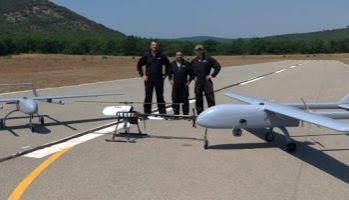
At the heart of the initiative is the acquisition of the first TSUBASA CT110 drones and their accessories, intended to scale up the spraying of breeding sites of malaria-carrying mosquitoes.
Supported by Japan and benefiting from UNICEF’s technical expertise, the operation marks a new stage in the country’s vector-control strategy.
Initial operations in northern Benin have reportedly already led to a significant reduction in larval density in targeted areas, according to the authorities.
The pilot phase of the project, “Integrated Action for Malaria Prevention: Public-Private Partnership and Local Youth Engagement in Benin”, covers 10 districts, including Tchaourou, Djougou, Copargo, Godomey, Avlékété, Djègbadji, Ouidah 1, Ouidah 2, Ouidah 4 and Cotonou’s 12th district.
Alongside these efforts to combat malaria vectors, the Beninese government is strengthening infrastructure for vaccination. With support from UNICEF and Gavi, four child vaccination centres are planned in Gbégamey, Ayélawadjè, Gankpodo and Dangbo.
Two other integrated facilities, combining child and international vaccination services, are also included in the programme: the Cotonou Medical Centre and the Tokpota Health Centre in Porto-Novo.
The programme also includes a major logistics component, with 220 motorcycles for field workers, 120 laptops and 200 tablets.
The equipment is expected to facilitate community vaccination activities, improve the reporting of health data and strengthen the monitoring of interventions.
For the partners, the goal is to reduce geographical barriers to healthcare, while improving the operational capacity of health teams.
UNICEF Representative Ousmane Niang stressed the need to bring services closer to communities and improve the reliability of health information.
Gavi Country Manager Alain Komi Ahawo said that the construction and rehabilitation of the centres would improve reception facilities for families, working conditions for health staff and continuity of services, particularly for people living in remote areas.
Health Minister Benjamin Hounkpatin recalled that malaria and vaccine-preventable diseases continued to place a heavy burden on families, and praised the partners’ support for the government’s ongoing efforts.
Through these complementary investments, Benin aims to strengthen malaria prevention, access to vaccination and the capacity of its health system simultaneously, combining new technologies with community-based interventions.
TE/Sf/lb/gik/APA