



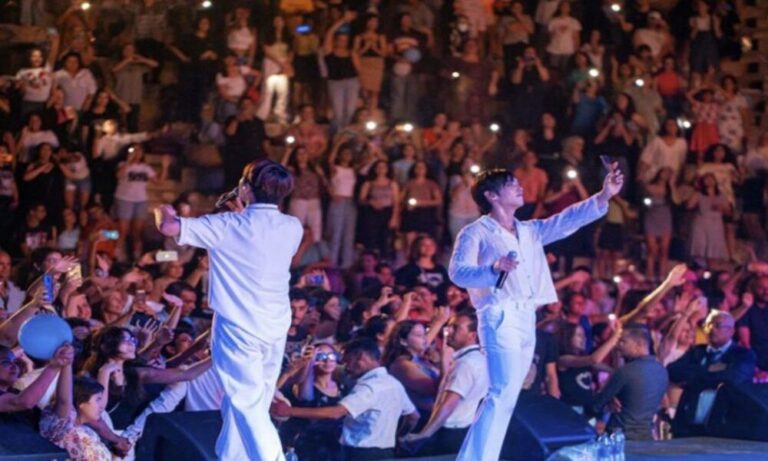
Tunisian festival organisers are claiming to be dealing with refusals from the Central Bank of Tunisia (BCT) to grant them foreign currency conversions necessary to pay artistes from abroad for this summer’s gigs.
This refusal is jeopardising commitments already made in contracts, the Tunisian press reported this week.
According to lawyer Ahmed Ben Hassana, the BCT’s currency freeze stems from an administrative foreign exchange ceiling set at two billion dinars since 2005 and never revalued, while the Tunisian dinar has lost nearly half its value against the euro and the dollar over the same period.
Several cultural associations that have already signed contracts and booked venues find themselves exposed to contractual penalties, or even legal action, if they are unable to fulfill their commitments.
Large institutional festivals, such as those in Carthage or Hammamet, reportedly have different resources, while independent festivals are the most vulnerable, according to Mr. Ben Hassana.
This situation arises as President Kais Saied repeatedly stated his desire to see major national cultural events prioritise artistic merit over international headliners.
However, no official evidence links the refusals to convert foreign currency to any particular cultural policy direction, as the monetary authorities have not publicly commented on the matter.
Tunisia’s foreign currency reserves covered 102 days of imports at the end of June 2026, a level considered satisfactory by economists, given that the generally accepted safety threshold is set at 100 days.
MK/AK/te/Sf/fss/as/APA