





The doctors union in the Democratic Republic of the Congo has announced a nationwide strike starting 11 June, citing the lack of concrete responses to their demands, which include salary increases, improved working conditions, and greater resources for the health sector.
According to medical unions in the DRC, the strike will affect public health facilities across the country. They accuse the authorities of delays in implementing several commitments made to healthcare personnel, as well as ongoing challenges linked to insufficient equipment, limited resources, and difficult working conditions in many hospitals.
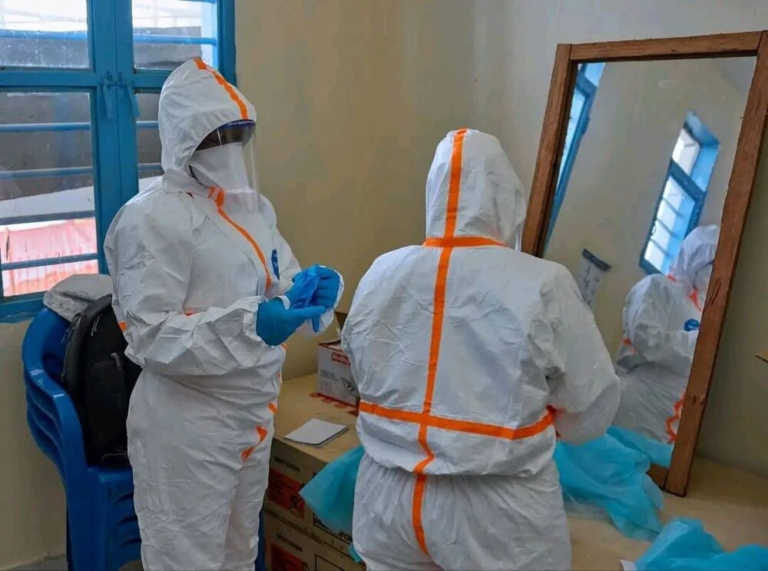
The industrial action comes as the Congolese health system remains under pressure from multiple public health challenges. Among them is the surveillance of epidemic-prone diseases, particularly ebola, which has caused several deadly outbreaks in the country in recent years.
The unions have stated that emergency services will continue to operate to ensure care for the most vulnerable patients. However, the strike has raised concerns about its potential impact on the operational capacity of the health system, especially as authorities maintain heightened vigilance against the risk of infectious disease resurgence.
Thanks to experience gained during previous ebola outbreaks, DRC now has strengthened surveillance and response mechanisms. However, public health experts stress that the effectiveness of these systems depends heavily on the availability of medical staff and the proper functioning of healthcare facilities.
The government is continuing negotiations with doctors’ representatives in an effort to prevent prolonged disruption of health services. As of the eve of the strike, no agreement had yet been announced.
For the unions, improving working conditions for health professionals is essential not only to ensure the quality of care, but also to strengthen the country’s capacity to respond to health emergencies, whether epidemics, humanitarian crises, or other public health threats.
If no compromise is reached quickly, the strike could affect access to healthcare in several regions and deepen tensions within an already strained health sector.
TE/Sf/lb/as/APA