





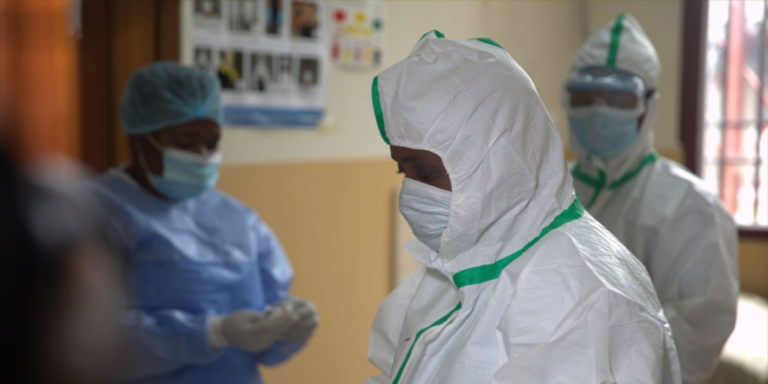
The surge in cases is placing immense strain on healthcare infrastructure across eastern DRC. In North Kivu province, treatment facilities are operating severely past capacity, registering a critical bed occupancy rate of 126.9 percent. Compounding the strain on hospitals, contact tracing efforts remain dangerously below response targets. Health officials in the DRC report a current contact tracking rate of 76.4 percent, falling well short of the 95 percent benchmark established by public health organizations to effectively break transmission chains of the rare filovirus.
In response to the growing health crisis, continental and national health agencies are prioritizing the expansion of isolation facilities, the protection of frontline medical staff, and enhanced community outreach. Africa CDC has deployed specialized diagnostic equipment—including nine GeneXpert machines and necessary testing reagents—alongside digital surveillance tools through the DHIS2 response toolkit. Additionally, the agency has facilitated training for more than 4,000 local health workers while strengthening cross-border epidemiological coordination between Kinshasa and Kampala to contain the viral hemorrhagic fever.
TE/Sf/fss/abj/APA