





Amid Libya’s ongoing political deadlock and recurring outbreaks of violence, Egypt on Tuesday renewed its call for a comprehensive political settlement, emphasising transparent elections and an expanded national dialogue.
In an official statement, Egyptian Foreign Minister Badr Abdelatty reaffirmed Egypt’s “steadfast support for a Libyan-led solution,” while condemning foreign interference, which he said continues to fuel institutional and military divisions.
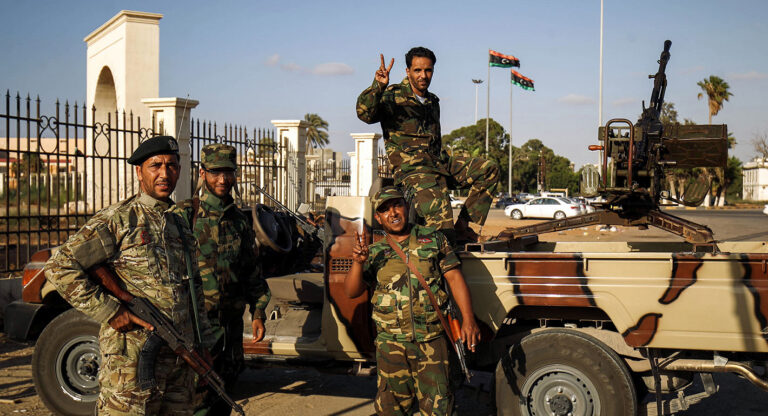
The statement comes just two days after deadly clashes between rival militias in Tripoli.
Sharing more than 1,000 kilometers of border with Libya, Egypt remains deeply concerned about the security situation in its western neighbour.
Cairo praised Libyan security efforts to restore stability, while warning against any return to armed conflict. Only a political resolution, Egypt believes, can ensure lasting peace.
The Egyptian government stressed the urgent need to hold “free, inclusive, and internationally supervised” presidential and legislative elections—seen as essential to restoring institutional legitimacy.
Cairo has thrown its support behind the initiative of the High Council for Unification, aimed at harmonising the legal and constitutional frameworks of the country’s two main rival entities: the Tripoli-based Government of National Unity and the eastern administration backed by Field Marshal Khalifa Haftar.
This stance aligns with Egypt’s long-standing mediating role since 2020, particularly through the “Cairo Process” and in coordination with the United Nations Support Mission in Libya (UNSMIL).
Several Arab states, including the United Arab Emirates, Jordan, and Saudi Arabia, have echoed Egypt’s position on safeguarding Libya’s unity and sovereignty.
Beyond security concerns, Cairo views Libya’s stabilisation as a strategic opportunity: to secure the Eastern Mediterranean, protect energy corridors, curb irregular migration, and strengthen Egypt’s regional influence across both the Arab world and Africa.
As France and Italy also intensify their diplomatic engagement—particularly in Haftar-controlled Cyrenaica—Egypt is positioning itself as a “balanced” mediator, seeking to rise above geopolitical rivalries.
Still, the path remains fraught. Past inter-Libyan dialogue attempts have repeatedly failed, and powerful militias continue to obstruct any meaningful process to peace.
MK/te/sf/lb/as/APA