





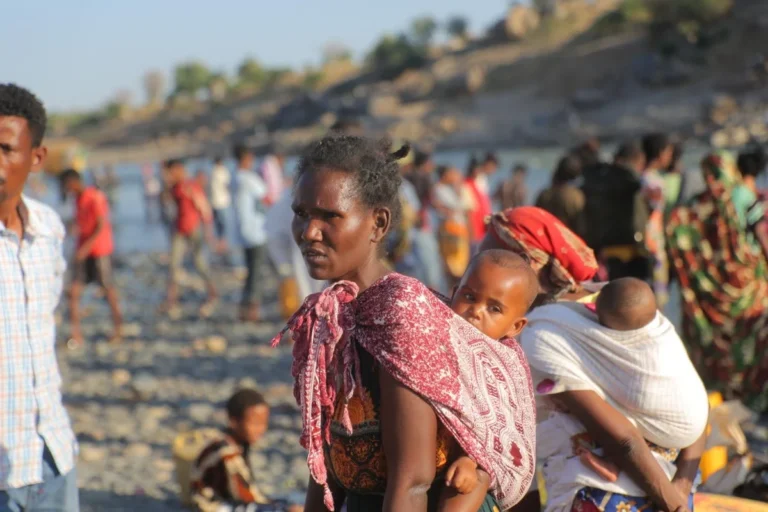
Ethiopia is facing a mounting humanitarian crisis due to renewed conflict, climate shocks and cross-border displacement, leaving more than 150,000 people displaced during the first three months of 2026, United Nations Population Fund (UNFPA) revealed on Thursday.
The agency said the convergence of crises is placing severe strain on already stretched health services, with women and girls among the most affected.
“In northern Ethiopia, renewed fighting in and around Alamata displaced about 78,450 people into North Wollo in February alone, overwhelming local facilities and leaving shelters overcrowded. Health systems in affected districts are overstretched, with limited capacity to respond to growing demand,” UNFPA said in its situation report.
The report said displaced populations are sheltering in overcrowded sites with limited access to food, water and sanitation, increasing health risks and protection concerns.
In the south, extreme weather events have added to the pressure. Landslides in Gamo and flooding in Arbaminch disrupted access to essential services, including maternal healthcare, at a time when mobility and infrastructure remain fragile.
The crisis is compounded by regional instability. Violence in South Sudan has driven more than 80,000 refugees into Ethiopia’s Gambella region since early 2025, with arrivals continuing into March 2026. The inflow has intensified pressure on local health and social services already under strain from internal displacement.
UNFPA estimates that 353,539 pregnant women will require sexual and reproductive health services across Ethiopia in 2026. It also projects that about 1.4 million people need support related to gender-based violence, as displacement weakens community protection systems and access to care.
Between January and March 2026, UNFPA and partners expanded emergency operations despite limited access in affected areas. The response reached 129,512 people with sexual and reproductive health services, supported 10,071 safe deliveries attended by skilled personnel, and provided gender-based violence services to 72,185 people.
Funding constraints remain a key challenge. UNFPA’s 2026 Humanitarian Preparedness and Response Plan requires 13 million US dollars, including support for refugee response activities. By the end of March, only 4.1 million US dollars had been secured, leaving a significant shortfall.
MG/as/APA