





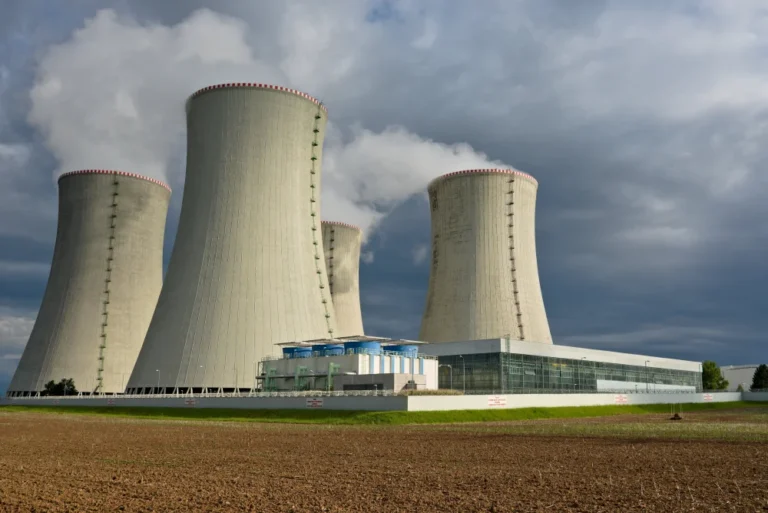
Ethiopia’s Council of Ministers (CoM) Tuesday approved a regulation establishing the Ethiopian Nuclear Energy Commission as part of the government’s plans to add nuclear power to its energy mix.
The new body will oversee efforts to develop and regulate the use of nuclear technology for peaceful purposes, including electricity generation, industrial applications, healthcare, and agriculture, the Prime Minister’s Office said in a statement.
The statement said that the regulation mandated the newly-formed commission with the task of leading and coordinating the East African country’s efforts “in the peaceful use of nuclear technology in accordance with international frameworks.”
The move follows the government’s September announcement of an ambitious nuclear program aimed at constructing two reactors of about 1,200 megawatts each by the early 2030s.
The project is intended to reduce Ethiopia’s reliance on hydropower — which currently accounts for more than 90 percent of electricity supply — and meet growing energy demand from urbanisation and industrialisation.
Russia is a key partner in the plan. Earlier this month, Ethiopia signed an action plan with Moscow to conduct feasibility studies, select sites, and transfer technology. The deal cements deepening energy cooperation between the two countries, with Russia expected to provide both technical expertise and training for Ethiopian specialists.
Officials said the initiative will help advance industrial development and energy security, but it comes with steep costs and capacity challenges. The nuclear component alone could require tens of billions of dollars in financing and extensive technical training.
The regulation takes effect immediately upon publication in the Negarit Gazeta, the government’s legal bulletin.
MG/as/APA