





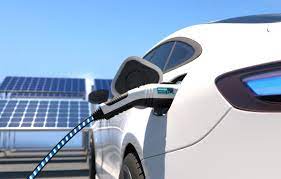
Ethiopia’s Ministry of Transport and Logistics has issued a national call urging all segments of society, government institutions, and private enterprises to accelerate the transition to electric vehicles amid global oil price shocks triggered by the Middle East conflict.
The call emphasizes that Ethiopia’s electric vehicle policy, initiated four years ago with special incentives, has proven to be a far-sighted decision that is now shielding the country from the worst impacts of international fuel market turbulence, the ministry said in a statement on Tuesday.
The ministry said it has identified four priority areas requiring coordinated action. All government and project vehicles at federal and regional levels must be fully converted to electric power. Public transport services, including buses and trains, should operate at established fares and schedules without interruption to encourage widespread use.
The ministry noted that a cultural shift in driving habits is being promoted through vehicle-sharing practices to reduce single-occupancy cars from households, walking and cycling for short urban trips, and eco-driving training to reduce fuel consumption and carbon emissions.
It said regular vehicle maintenance and use of original spare parts will be strengthened, with full implementation of emission regulations and mandatory use of fuel and emissions control technologies approved by Ethiopian standards.
The government and private sector are called to collaborate on converting trucks up to 20 tons to electricity, while vehicles exceeding 20 tons should transition to natural gas or hybrid electric systems.
The strategy aims to reduce the country’s dependence on imported fuel, preserve foreign exchange, and protect citizens from global oil price fluctuations.
The call comes as Ethiopia grapples with severe fuel supply disruptions following the closure of the Strait of Hormuz amid escalating Middle East conflict.
The government currently spends over $4.2 billion annually on fuel imports, with subsidies reaching 98 birr per liter for diesel and 73 birr for gasoline compared to international delivery prices at Djibouti port.
Minister of Transport and Logistics Alemu Sime has previously emphasized that the country’s hydropower resources provide a strategic advantage for electrification, with abundant renewable energy capacity to power a growing fleet of electric vehicles.
Ethiopia currently generates over 90 percent of its electricity from hydro sources, with additional capacity from wind and solar installations.
The Ministry’s statement concluded that the initiative aims to save foreign exchange, reduce environmental pollution, and protect citizens from the effects of global oil price fluctuations, urging all Ethiopians to rise with a sense of responsibility and determination to free the country from dependence.
MG/abj/APA