



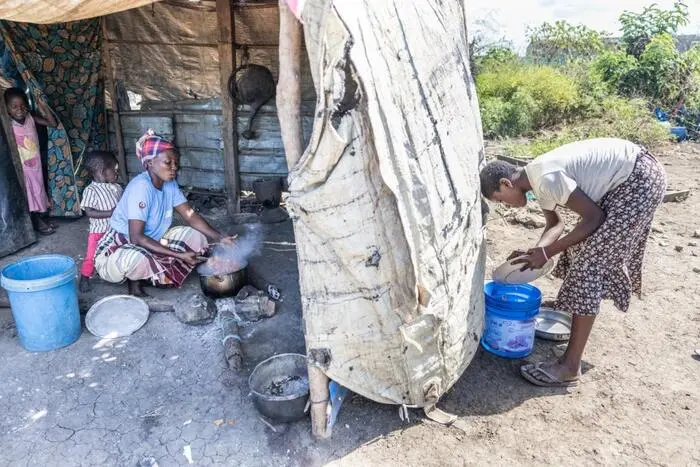
Fresh violence in Mozambique’s northern Cabo Delgado province has displaced more than 7,000 people since late September, adding to a protracted humanitarian crisis in a region that has been battling an Islamist insurgency for nearly a decade.
According to the International Organisation for Migration (IOM), 7,029 people fled their homes between 21 September and 27 October amid renewed attacks and fears of violence by non-state armed groups. Women and children accounted for nearly 80 percent of the newly displaced.
IOM Chief of Mission in Mozambique Dana Graber Ladek said the latest wave of displacement was increasing pressure on communities already hosting people uprooted by years of conflict.
“These communities need help with food, shelter and healthcare. Without timely support, life could get much harder for displaced families and the people hosting them,” she said.
The agency said some families had been displaced multiple times, further increasing their vulnerability.
Among those recently displaced were pregnant women, older people, persons with disabilities and unaccompanied children.
As of October 2026, more than 205,000 displaced people were living across 84 displacement sites in Cabo Delgado, with children accounting for more than half of the affected population.
The province has been the epicentre of an insurgency since 2017 when militants linked to Islamic State launched attacks on villages, security forces and infrastructure.
The conflict has killed thousands of people and displaced hundreds of thousands, prompting military interventions by Mozambique, Rwanda and the Southern African Development Community.
IOM said food was the most urgent need among newly displaced households, followed by shelter and healthcare.
Most families are being accommodated by host communities, placing additional strain on already limited resources and services.
The agency warned that continued displacement and declining humanitarian funding were hampering relief efforts as needs continue to grow across the conflict-affected province.
JN/APA