



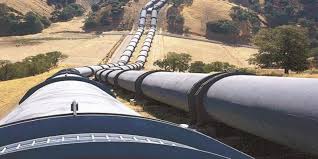
Africa’s ability to capitalise on its vast natural gas reserves is being undermined by the continent’s lack of regional transportation networks, a new energy outlook has warned.
Despite holding more than 550 trillion cubic feet of undeveloped gas and facing a projected 60 percent rise in demand by 2050, most African countries remain unable to move gas efficiently from production basins to power plants, industries or export terminals.
The African Energy Chamber’s State of African Energy 2026 Outlook says the continent’s infrastructure gap is now one of the biggest barriers to monetising gas resources, even as global competition intensifies and LNG prices are expected to fall later this decade.
Major reserves in Mozambique’s Rovuma Basin and Nigeria’s Niger Delta highlight the scale of opportunity, but without pipelines and regional transport corridors, much of this gas remains stranded.
Africa has expanded LNG export capacity in recent years, with Nigeria, Angola, Equatorial Guinea and Cameroon supplying global markets and new projects coming online in Mozambique and the Senegal–Mauritania basin.
The report, however, notes that domestic industrialisation remains constrained by weak connectivity, regulated low gas prices and limited processing infrastructure.
Sub‑Saharan Africa’s gas‑to‑power sector is growing – led by Nigeria, Ghana and Mozambique – while countries such as Angola and South Africa are pushing gas‑based industrial strategies.
African Energy Chamber executive chairman NJ Ayuk said governments must take advantage of the vast opportunities that are available across the continent by balancing affordability with investment incentives.
“Government’s must balance affordability and energy access with the need to provide returns that support investment in pipelines, processing facilities and power plants,” Ayuk said on Monday.
“With the right balance of infrastructure investment, policy reform and strategic partnerships, gas can become a cornerstone of Africa’s energy transition and industrialisation drive.”
He noted that without the ability to move gas across borders or link inland demand centres to coastal terminals, developers face high costs and limited market access.
JN/APA