



Kenya’s Ministry of Health Saturday issued a public health advisory following a hantavirus outbreak linked to the cruise ship MV Hondius, currently sailing in the Atlantic Ocean.
The ministry confirmed that there are no reported cases in Kenya, with surveillance intensified at all points of entry, including airports and seaports.
“The Ministry of Health is aware of an outbreak of hantavirus infection linked to the cruise ship MV Hondius, currently travelling in the Atlantic Ocean. According to WHO, there have been 8 confirmed cases, including 3 deaths, among passengers and crew as of May 7, 2026,” according to the advisory seen by APA.
“Health authorities are closely monitoring the situation and taking precautionary measures,” Patrick Amoth, the director general for health in the ministry, said in the advisory.
He added that the ministry has activated precautionary measures, including enhanced surveillance and preparedness systems.
On Thursday, the World Health Organization said that five of the eight cases reported on board MV Hondius had been confirmed as hantavirus infections, while the other three were considered suspected cases.
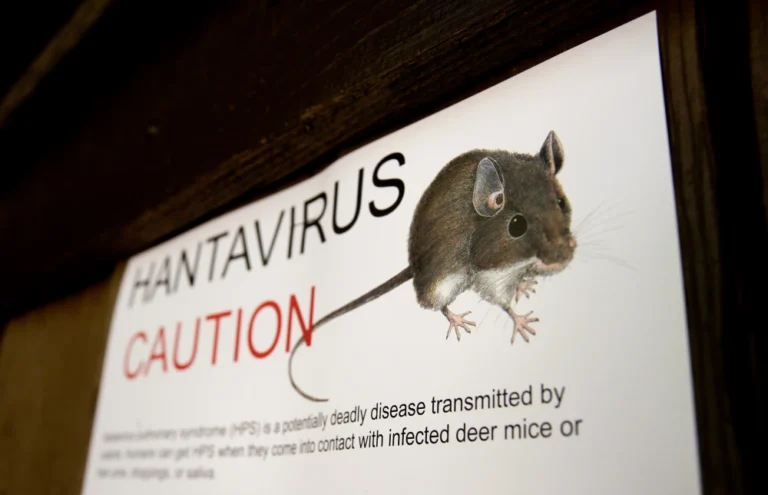
Hantavirus is a viral disease primarily transmitted to humans through contact with infected rodents such as rats and mice.
Infection can occur through inhaling contaminated dust, touching contaminated surfaces, or exposure to rodent droppings. In rare cases, certain strains, such as the Andes virus, can spread between humans through close contact.
Recently, the Africa Centers for Disease Control and Prevention (Africa CDC) announced that the possibility of the hantavirus outbreak affecting Africa is minimal.
During an online media briefing on Thursday, Tolbert Nyenswah, director of pandemic prevention, preparedness and response at the Africa CDC, stressed that with a current case fatality rate of around 37 percent, even a low transmission rate warrants global public health measures.
“The risk to Africa is low, but not zero,” Nyenswah said. “This is why we are taking all the precautions, and all the public health measures should be taken by people across the world. Africa CDC will continue to update the population.”
The Africa CDC stressed that the clustering of cases among travelers in a confined environment “warrants heightened vigilance and further investigation to determine the source and mode of exposure.”
MG/as/APA