



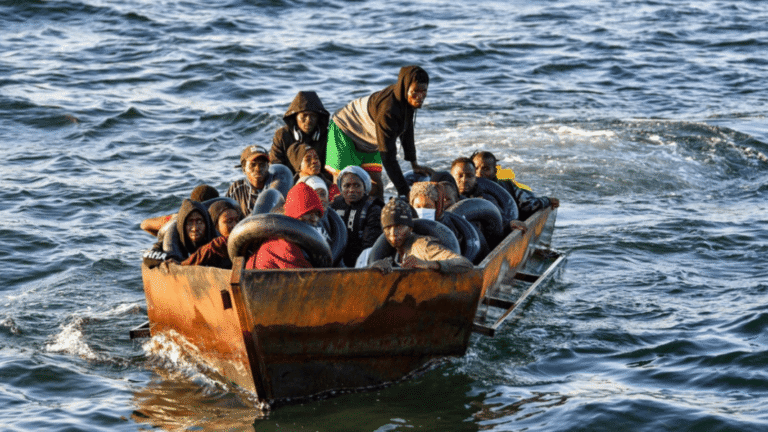
The governments of Libya and Somalia have finalized an agreement to repatriate approximately 400 Somali nationals currently held in Libyan detention centers.
This decision followed high-level consultative meetings in Tripoli between the Libyan acting Foreign Minister, Taher Al-Baour, and the Somali Minister of Foreign Affairs, Abdisalam Abdi Ali. The move comes in response to mounting humanitarian concerns regarding the difficult conditions faced by migrants in transit, many of whom were intercepted while attempting to reach Europe via irregular routes across North Africa and the Mediterranean.
The bilateral commitment is framed as part of a broader strategy to strengthen diplomatic and security ties between Tripoli and Mogadishu. Beyond the immediate repatriation, the discussions focused on coordinating efforts to dismantle the human trafficking networks that exploit vulnerable migrants. Somali officials highlighted that this operation is intended to be the first of several steps toward ensuring the safe and organized return of their citizens, while also cracking down on the transnational groups facilitating dangerous irregular migration.
During the visit, Minister Abdisalam Abdi Ali delivered an official message from Somali Prime Minister Hamza Abdi Barre to Libyan Prime Minister Abdulhamid Dbeibah. The communication reaffirmed Mogadishu’s commitment to a structured partnership aimed at addressing regional challenges, specifically focusing on the protection of Somali nationals and the improvement of migration management protocols. Both parties underscored the urgent need to address the humanitarian plight of the thousands of Somalis believed to be stranded in various facilities across Libya.
While this agreement marks a significant diplomatic milestone, analysts note that the return of 400 individuals addresses only a small fraction of the migration crisis in the region. The process highlights the ongoing structural difficulties within the Libyan detention system and the lack of a comprehensive regional migration framework. Nevertheless, the imminent repatriation is seen as a necessary humanitarian intervention to provide immediate relief to those held in the most perilous conditions.
MK/AK/te/fss/abj/APA