





Morocco and Nigeria have demonstrated their shared determination to continue strengthening bilateral cooperation to serve the interests of the citizens of countries and contribute to the development and stability of the African continent.
Morocco and Nigeria agreed to strengthen their bilateral cooperation in the areas of employment, vocational training and economic inclusion, during a high-level meeting held on Wednesday in Abuja between the Nigerian Minister of State for Labour and Employment Nkeiruka Onyejeocha and the Kingdom’s Ambassador to Nigeria, Moha Ou Ali Tagma.
This meeting is part of preparations for the official visit that Ms. Onyejeocha will make to Morocco at the invitation of her Moroccan counterpart, Younes Sekkouri, Minister of Economic Inclusion, Small Business, Employment, and Skills.
The meeting laid the groundwork for strengthened technical partnership, particularly in the areas of youth skills training and the modernization of training programmes.
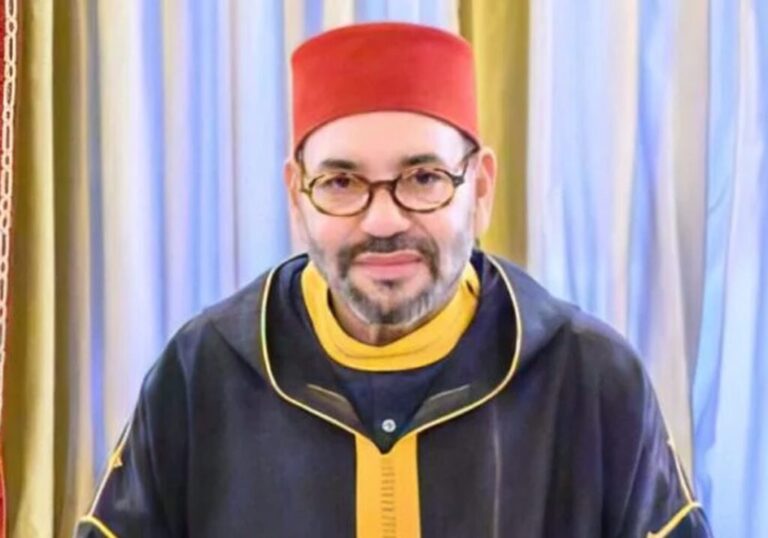
In light of the guidelines emerging from King Mohammed VI’s historic visit to Nigeria in December 2016, the two parties reaffirmed their commitment to structuring South-South cooperation, structured around strategic areas such as youth employment, digital transformation and regional integration projects.
In this regard, the Nigeria-Morocco Gas Pipeline project was cited as a key lever for convergence between the two economies.
According to the statement made available to the Moroccan Press Agency (MAP), Ms. Onyejeocha praised Morocco’s expertise in vocational training, particularly in rapidly changing sectors such as renewable energy, digital technologies, and sustainable agriculture.
She expressed the desire to draw inspiration from this to structure programmes in Nigeria adapted to the new economic realities. The Nigerian official also highlighted the importance of pooling efforts in the digitalization of employment and training services to ensure a better match between skills supply and Labour market needs in West Africa.
Such convergence, she argued, is essential to address shared challenges related to demographics, informality, and the mobility of young workers.
The Moroccan-Nigerian dialogue on these issues is expected to continue in the coming weeks, with a view to signing new partnership agreements aimed at strengthening the integration of African youth into sustainable and inclusive growth models.
MK/Sf/ac/fss/gik/APA