





Southern African ministers responsible for energy and water have agreed to accelerate the implementation of the Grand Inga Hydropower Scheme and the Congo River Water Transfer Concept to address the region’s deepening energy and water challenges.
The decision was reached during a High-Level Ministerial Dialogue held Thursday in the Zimbabwean capital Harare on the sidelines of the Joint Meeting of the Southern African Development Community (SADC) Committee of Ministers Responsible for Energy and Water.
The session brought together key stakeholders, including SADC Executive Secretary Elias Magosi and Deputy Executive Secretary for Regional Integration Angéle Makombo N’Tumba.
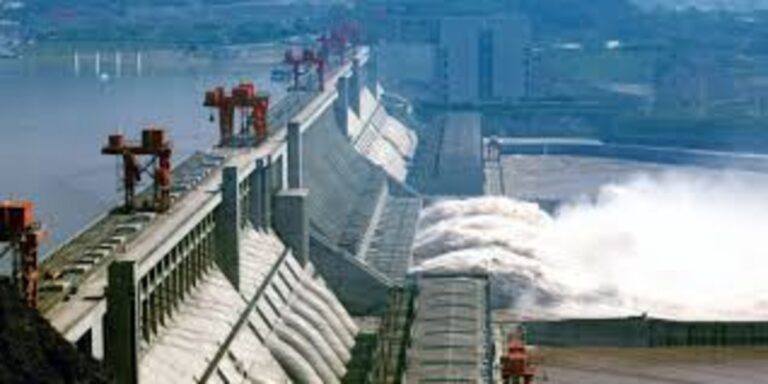
The Grand Inga Hydropower Project, located on the Congo River in the Democratic Republic of Congo, is envisioned as the world’s largest hydropower scheme, with a projected capacity of up to 42,000 megawatts.
It is a flagship initiative under SADC’s regional integration agenda and is expected to supply clean energy across the continent.
The first phase of the project, Inga I, was built in 1972 with an installed capacity of 351MW, while Inga II was constructed in 1982 and has an installed capacity of 1,424 MW.
According to the World Bank, the next phase – Inga III – could generate between 3,000 and 11,000 MW depending on the design approach, with widely differing economic, environmental, social and financial costs and benefits.
Development of this phase is backed by the World Bank and African Development Bank, with recent funding of $250 million approved to support preparatory activities.
The Congo River Water Transfer Concept, still in its early stages, aims to harness the river’s vast flow to support water security across southern Africa.
The initiative is being conceptualised as part of a broader strategy to mitigate the impact of climate change and population growth on the region’s water resources.
Ministers also reviewed clean cooking initiatives under the OPEC Fund programme, which align with SADC’s “Mission 300” goal to connect 300 million Africans to clean energy by 2030.
The dialogue underscored the urgency of replacing traditional cooking methods with safer, more sustainable alternatives to reduce health risks and environmental degradation.
The ministers are expected to present progress updates at the next SADC Council of Ministers meeting scheduled for August in Madagascar.
JN/APA