



South Africa’s Constitutional Court has extended the validity of the Traditional and Khoi-San Leadership Act (TKLA) for an additional two years, giving lawmakers more time to finalise replacement legislation aimed at recognising and regulating traditional leadership structures of the two groups.
The decision suspends the declaration of constitutional invalidity of the TKLA until 29 May 2027.
The extension allows Parliament and the Department of Cooperative Governance and Traditional Affairs (CoGTA) to complete the Traditional and Khoi-San Leadership Bill (TKLB), which is intended to replace the current law.
CoGTA Minister Velenkosini Hlabisa on Monday welcomed the ruling, calling it a necessary reprieve to prevent a legislative vacuum and ensure proper consultation on the new bill.
“This two-year extension enables CoGTA and Parliament to conduct thorough consultations and finalise the legislative process,” Hlabisa said in a statement.
The minister has directed the Department of Traditional Affairs to intensify efforts to expedite the bill’s completion.
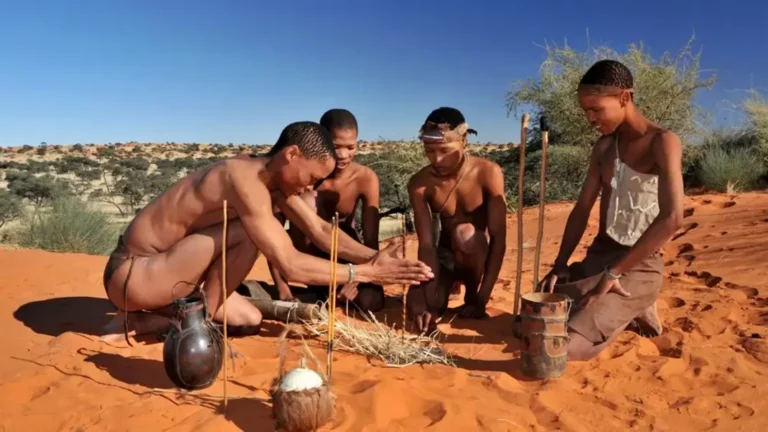
The TKLB aims to formally recognise the Khoi and San communities and their leadership systems – groups long marginalised in South Africa’s governance frameworks.
It also seeks to address shortcomings in existing legislation, including the Traditional Leadership and Governance Framework Act of 2003 and the National House of Traditional Leaders Act of 2009, both of which it will repeal.
Once enacted, the bill will establish a legal framework outlining the roles, responsibilities and government engagement of traditional and Khoi-San leadership institutions.
Hlabisa described the legislation as key to promoting inclusive governance and ensuring that all traditional leadership systems are equitably recognised under South African law.
The TKLA had previously been declared unconstitutional, but its suspension was in place to allow for legislative reform.
In South Africa, traditional leadership systems, while not organs of the state, play a significant role in local governance and community affairs.
These systems – which include kings, chiefs, headmen and elders – are recognized within the constitution and are actively involved in areas like community development, dispute resolution and the preservation of indigenous cultural identities.
Some of the prominent traditional leadership systems include the Zulu, Xhosa and Bapedi kingdoms.
JN/APA