





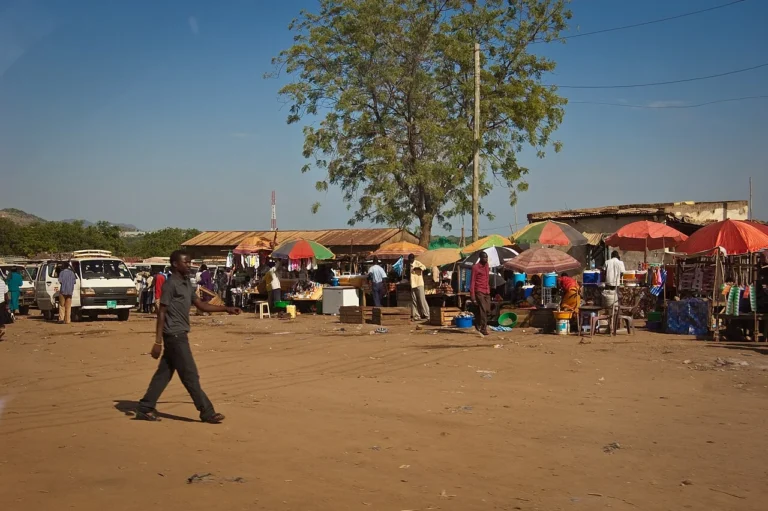
Ugandans, Kenyans, Eritreans and Burundians traders, who run small businesses in the South Sudanese capital, are ordered to leave their retail trade and hand it to South Sudanese nationals, APA reported on Wednesday.
The order comes after Juba County Caretaker Commissioner Kalisto Lado paid a visit to Kuburi Haboba market on Tuesday. He said foreigners should not run Chapati stalls, boda boda services, or small-scale trade in tomatoes, onions and charcoal.
“Somebody should not come from his country to make chapati, retail kilos of onions and tomatoes in Juba. What will our women in South Sudan sell?” said Lado. The directive threatens the livelihoods of thousands of East African traders working in the South Sudanese capital.
Lado said foreign nationals should concentrate on wholesale trade, manufacturing and importing goods rather than selling small quantities of everyday commodities. He also told foreign traders who want to operate to open a company, and promised the foreign business community security, provided retail stays reserved for South Sudanese.
The statement is not new from Lado. He took the same position in 2021, when he was Juba City mayor, calling for foreigners to be barred from small-scale retail and urging them to invest in wholesale, factories and industry. Ugandans are likely to feel the order most. Ugandans have historically played a major role in Juba’s informal economy.
Many Ugandans in South Sudan run groceries, taxi and boda boda services, salons and mechanic workshops. The number of Ugandans in South Sudan has been significant for years. During the 2016 fighting in Juba, UPDF Chief of Staff, Leopold Kyanda said troops would go in to extract about 3,000 stranded Ugandans.
The timing adds to the regional context. On September 2, Kenyan President William Ruto ordered a crackdown on foreigners operating small-scale businesses, saying local traders and hawkers needed protection.
MG/abj/APA