



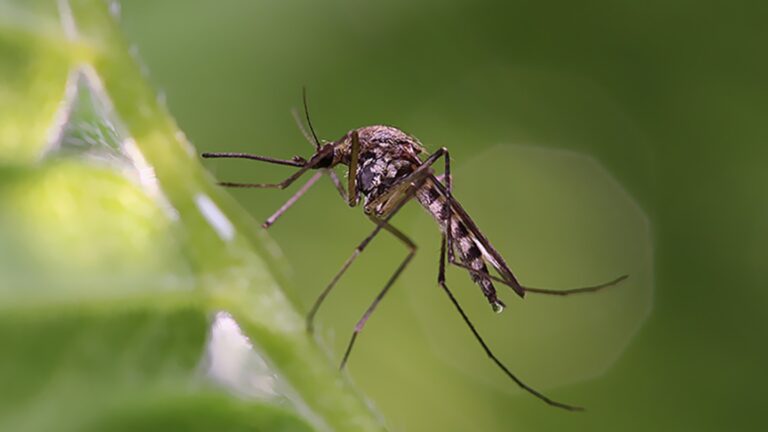
Tanzania has introduced advanced gene-modification technology that can block the transmission of malaria via eliminating mosquitoes’ ability to transmit the disease, APA can report on Tuesday.
The country’s ministry of health in a statement said a team of scientists in Tanzania has achieved a major breakthrough that could transform malaria control across Africa: the successful development of genetically modified mosquitoes
“This is the first time a genetically modified, gene-drive compatible mosquito strain has been developed in Africa, by African scientists, targeting malaria parasites circulating in local communities,” the ministry said.
For many Tanzanian communities, malaria remains a daily threat. Bed nets, indoor spraying, and other tools have saved countless lives, but their effectiveness is increasingly undermined by growing insecticide resistance.
The study started in 2023 revealed that the new mosquito strain offers an alternative approach. Instead of trying to kill mosquitoes, it blocks the malaria parasite inside them. If proven safe and effective on a larger scale, it could complement existing tools and support efforts to eliminate malaria.
This historic achievement reflects years of training and collaboration under the Transmission Zero programme, which has helped build local expertise in molecular biology, genetics, and vector control, placing local institutions at the forefront of emerging genetic technologies.
“This study is not about technology alone. It’s about leadership, responsibility, and partnership. It shows what is possible when African institutions lead, and international collaborators support,” the ministry said.
The research also represents a shift in where high-tech malaria research is conducted. Developing the modified mosquitoes in Tanzania, using local facilities and expertise, ensures the technology is better adapted to local conditions and public health needs.
Tanzania is among the four countries responsible for more than half of global malaria deaths. The genetically modified mosquitoes could provide an additional, promising new approach to complement existing efforts.
MG/as/APA