





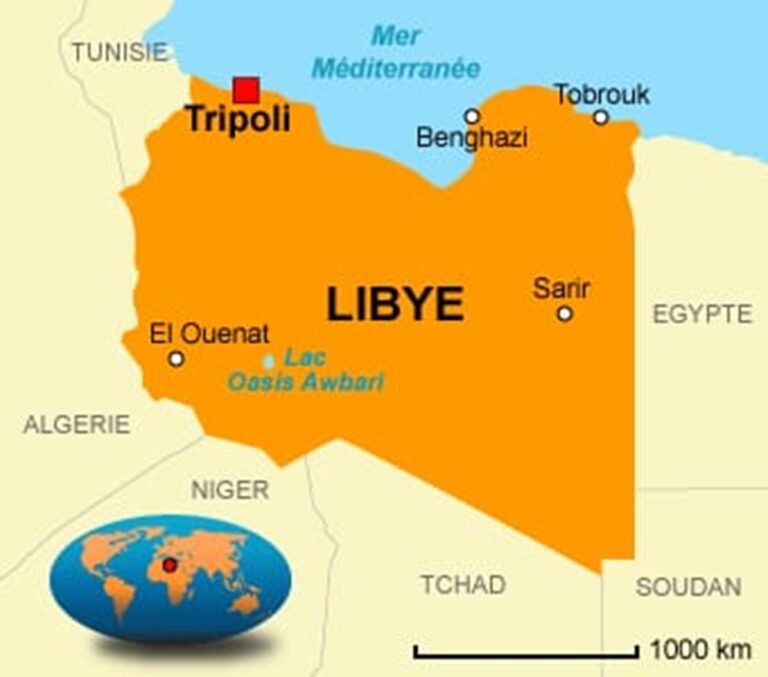
The Libyan capital on Monday hosted the closing session of the National Conference on Environment and Humanity, organized by the Taher Al-Zawi Charitable Foundation.
Held under the theme “Environment at the Heart of Public Policy: A Shared Responsibility”, the event sought to raise awareness among policymakers, academics and security forces about the urgency of environmental challenges in a country weakened by years of conflict.
According to the Libyan news agency WAL, the conference brought together a wide range of stakeholders, from the director of the General Staff’s Planning and Monitoring Department to representatives of the army’s Moral Guidance Department, as well as officers from several military units.
Researchers, academics, and officials from the Ministry of Environment and the agricultural police were also in attendance—illustrating the intent to place environmental issues at the core of public policy by engaging both civilian and military institutions.
Discussions focused on the main environmental threats, particularly food security and access to water, two critical challenges in Libya where infrastructure remains fragile. Several contributions emphasised the need to strengthen legal and governance mechanisms to safeguard natural resources.
Researchers presented detailed working papers on sustainable development covering both technical and regulatory aspects. Exchanges were marked by debates and clarifications aimed at identifying practical ways to integrate ecological considerations into national projects.
For the organisers, the conference represents a step toward giving greater weight to environmental concerns in a country where security and political priorities have often overshadowed ecological ones. The Taher Al-Zawi Foundation stressed the importance of involving all stakeholders—from state institutions to social actors—in building a shared vision of sustainable development.
In a context of institutional fragility and ongoing tensions, the initiative sought to highlight that environmental security is inseparable from Libya’s political and social stability.
MK/ac/lb/as/APA