



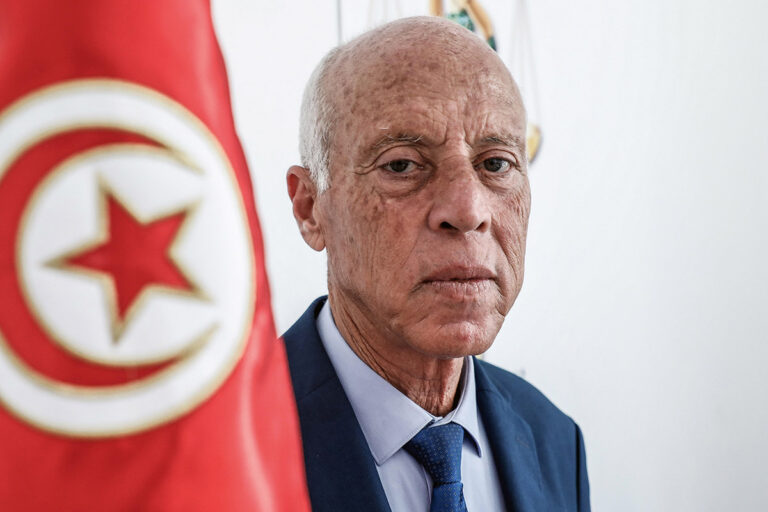
Tunisia is grappling with a deep political crisis, marked by what many observers describe as an increasingly centralised concentration of power in the hands of President Kaïs Saïed.
The political landscape has deteriorated sharply as the centralisation of authority at the highest levels of the state continues to draw sustained criticism. Since 2021, President Saïed has governed under a restructured institutional framework defined by limited consultation and a climate of mistrust toward dissenting voices.
Analysts point to a steady decline in the economy, weakened state institutions, and mounting social tensions. Warnings from international partners and financial bodies have so far failed to prompt a shift in the government’s approach, while the country’s diplomatic isolation appears to be deepening.
In his speeches, the president emphasises sovereignty and rejects any form of foreign interference.
This stance, however, clashes with Tunisia’s reliance on external financial assistance to stabilise its budget. Several foreign capitals are expressing diminishing confidence in Tunis.
Amid this strained environment, criticism of the state apparatus is on the rise. The president himself recently acknowledged facing internal challenges and a loss of trust in some of his close aides — a rare admission interpreted as a sign of deepening institutional fragility.
At the core of current concerns are a deteriorating socio-economic landscape, recurring shortages, growing pressure on public services, a steady exodus of skilled professionals, and a slowdown in business activity. The continued arrests of political opponents are further fueling tensions.
MK/te/lb/as/APA