





Remittances from Tunisians living abroad (TRE) increased by 4.5% in the first five months of 2026, confirming the diaspora’s central role in supporting the Tunisian economy and highlighting the authorities’ new approach to it.
According to data from the Central Bank of Tunisia, remittances from the diaspora reached 3.669 billion Tunisian dinars (approximately $1.27 billion) between January and May 2026, compared to 3.510 billion dinars during the same period of the previous year. This steady increase comes as the summer season approaches, a period traditionally marked by an uptick in both financial transfers and returns home.
These remittances represent a vital source of foreign currency for the Tunisian economy, working alongside tourism revenue to strengthen foreign exchange reserves and help balance external accounts. According to official figures, these combined resources currently cover the equivalent of 103 days of imports, providing a critical safety margin in an economic context still marked by budgetary and financial constraints. Beyond their economic importance, Tunisian authorities emphasize the symbolic and political significance of this dynamic, as transfers made through official channels are perceived as a sign of confidence in national institutions and an expression of a lasting attachment to the country of origin.
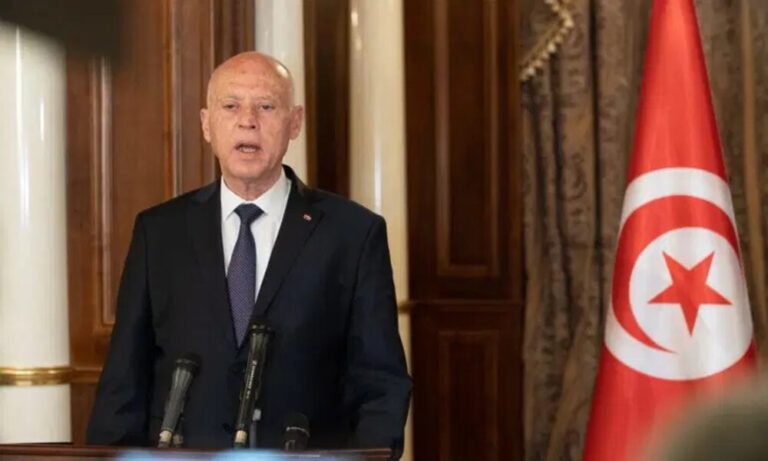
This vision aligns with the approach championed by President Kaïs Saïed, who has been advocating for a redefinition of the relationship between the state and Tunisians living abroad. The head of state regularly insists that the diaspora should not be considered solely as a source of foreign currency, but as an integral component of the nation called upon to actively participate in the country’s development. In this context, the authorities have launched numerous initiatives aimed at improving administrative support for Tunisians residing abroad and facilitating their procedures during their stays in Tunisia. President Saïed has repeatedly called for simplifying customs procedures and reducing the bureaucratic hurdles faced by Tunisians living abroad.
This comprehensive approach relies on the strategic mobilization of several key institutions. The Ministry of Foreign Affairs is strengthening consular services and assistance to Tunisian communities established outside the country, while the Office of Tunisians Abroad (OTE) is developing new digital tools to modernize administrative services. Among the announced projects are the “Tunisians of the World” platform and a future one-stop shop designed specifically for diaspora investors. Estimated at nearly 1.85 million people, representing more than 15% of the total Tunisian population, the diaspora remains a strategic player for the country. Primarily based in Europe, particularly in France, Italy, and Germany, this community represents a source of funding, a pool of talent, and a conduit of influence through which the authorities intend to transform a historical link into a more structured lever for economic development, investment, and skills transfer.
MK/AK/te/Sf/fss/abj/APA