



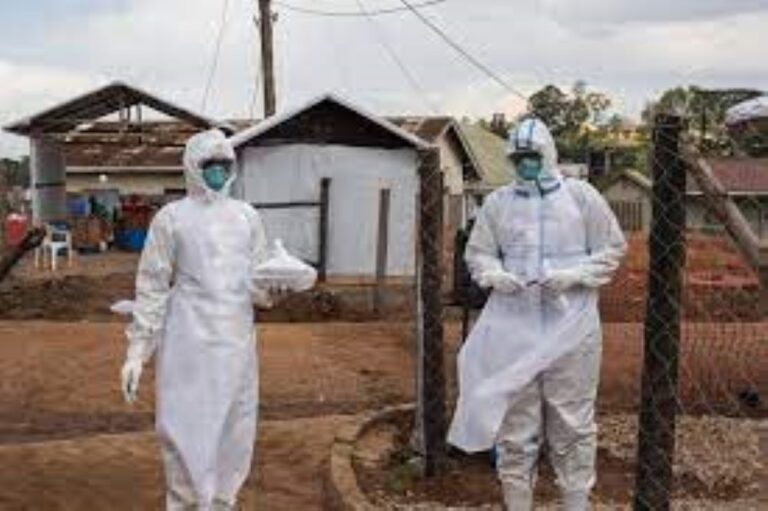
Uganda has introduced mandatory quarantine for citizens returning from the Democratic Republic of Congo (DRC) as part of its commitment to preventing another importation of Ebola Virus Disease.
The East African country has also suspended concerts, festivals and political rallies in high-risk border districts. The new measures also tighten surveillance at airports, restrict cross-border movement, impose stricter controls on hotels and schools, and require prior government clearance for humanitarian workers and the transfer of bodies across its borders.
The measures take immediate effect amid continued movement of people between Uganda and the DRC, including through unofficial crossing points, raising concerns about further transmission to neighboring countries. In a public health statement issued on November 19, Ministry of Health Permanent Secretary Diana Atwine said the National Task Force on Epidemic Preparedness and Response had adopted the additional measures to contain the risk posed by the outbreak in the DRC.
“With the current heightened surveillance, the ministry has observed continued movement of people across our borders, including through ungazetted crossing points, which has increased the risk of the disease entering Uganda and spreading to our communities and to other countries,” Atwine said. She added that all previous measures and restrictions remain in force.
The measures apply to 34 designated high-risk border districts, where local authorities have been directed to strengthen surveillance of new arrivals and people relocating into their communities. Under the new restrictions, no concert, festival, political rally or similar mass gathering will be permitted in the designated high-risk border districts without written clearance from the Ministry of Health.
Ugandans returning from the DRC will undergo mandatory health risk assessments and be subjected to 21 days of quarantine or monitored self-isolation.
MG/abj/APA