



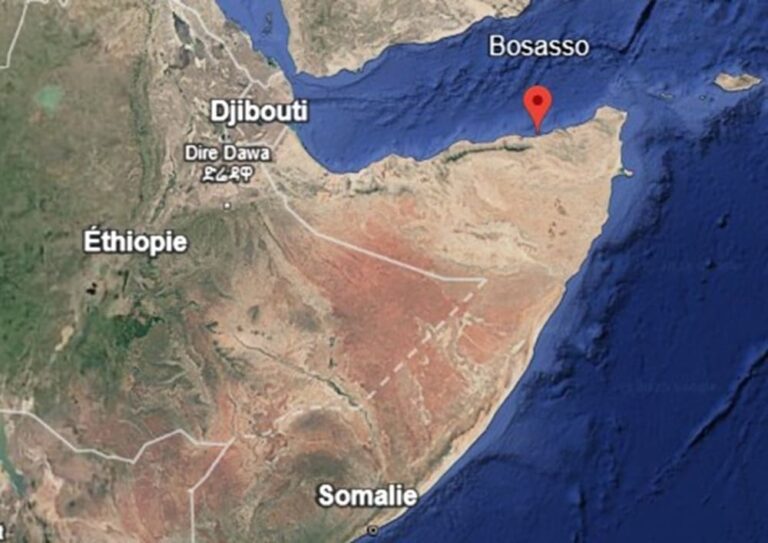
The World Health Organization (WHO) has raised alarm over the devastating impacts of climate change in the Horn of Africa, warning that millions of people in Somalia, Kenya, and Ethiopia would face severe drought conditions in the coming months.
In a new alert issued over the weekend, the UN health agency estimated that 25 million people in the region are now in urgent need of food aid.
“Parts of northern Kenya and southern Ethiopia have now missed two consecutive rainy seasons. In these areas, crops have failed entirely, withering in the fields and leaving farming communities with empty hands and no harvest to sustain them,” WHO said in a statement.
The agricultural toll is staggering. Drought-affected zones are reporting crop production losses ranging from 34 to 53 percent, a direct result of the prolonged and severe rainfall deficit.
Pastoralist communities, who form the backbone of highlighted that access to clean drinking water is becoming critically scarce for millions the economy in these arid and semi-arid lands, are also being pushed to the brink.
The drought has decimated livestock herds, cutting them by as much as half in some areas. The sharp decline in access to milk, meat, and other animal products is now directly threatening the survival of these families.
The crisis is unfolding at a time when humanitarian funding is dangerously low. According to a report from Oxfam, the resources needed to respond to the disaster have shrunk dramatically. “The coming dry months will be a critical period requiring urgent life-saving assistance to keep people alive,” the organization warned.
In a joint statement, the United Nations Children’s Fund (UNICEF) and the World Health Organization (WHO) underscored the gravity of the situation, stating that millions across Somalia, Kenya, and Ethiopia will continue to face extreme difficulty in accessing clean and safe drinking water.
MG/as/APA