





The World Health Organization (WHO) has commended Uganda‘s response to the ebola outbreak linked to a spillover from the Democratic Republic of Congo.
However its chief has warned that the crisis is far from over and that sustained regional cooperation will be essential to prevent wider spread.
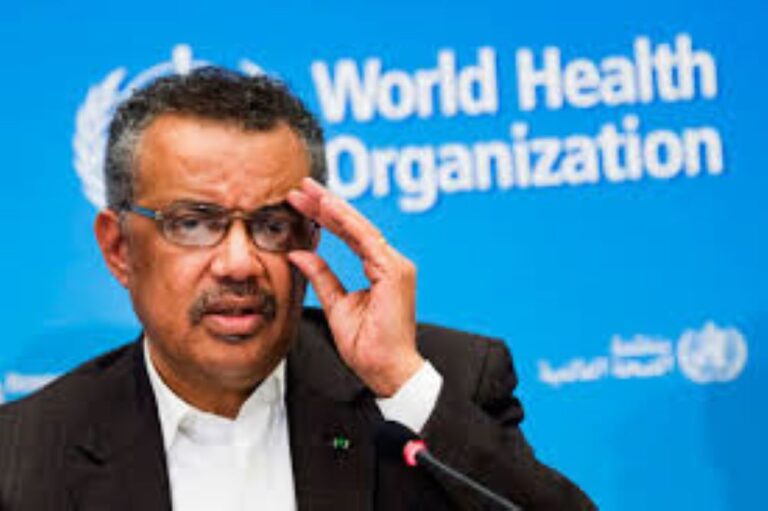
After visiting Uganda as part of a regional assessment mission, Tedros Adhanom Ghebreyesus, WHO’s director-general in a staement issued by his office on Tuesday, , described the country’s response as “robust.”
Uganda has recorded 19 confirmed cases and one probable case, most of them connected to transmission from the DRC.
The response has unfolded in a difficult environment characterised by humanitarian pressure, insecurity and significant movement of people across the border.
Adhanom nevertheless stressed that the risk of further transmission remains real. He underscored the need for sustained cooperation between Uganda and the DRC, noting that no single country can control the outbreak by itself and that halting transmission at its source is indispensable. “
Community engagement in border areas, where populations span both countries, is considered especially important: outbreaks become harder to contain when people are reluctant to report symptoms or engage in contact tracing,” he said.
The WHO chief reiterated the organization’s position that travel bans are counterproductive, arguing they impede the movement of essential supplies and response personnel without delivering meaningful containment.
The current outbreak is Uganda’s ninth encounter with Ebola; lessons from previous episodes have strengthened its surveillance systems, laboratory networks and emergency response capacity.
The outbreak, caused by the Bundibugyo species of Ebola for which no approved vaccine exists, was confirmed in both countries in May.
Meanwhile, health officials in Uganda this week announced that Uganda could officially be declared free of the deadly Bundibugyo Ebola strain within the next four weeks if no new infections are detected.
The optimistic timeline aligns strictly with international health guidelines governing the management and conclusion of hemorrhagic fever outbreaks.
The East African nation has now gone 11 consecutive days without registering a single new confirmed case of Ebola. This milestone has left local health authorities and international partners cautiously optimistic that the chains of active viral transmission have finally been interrupted.
MG/as/APA