



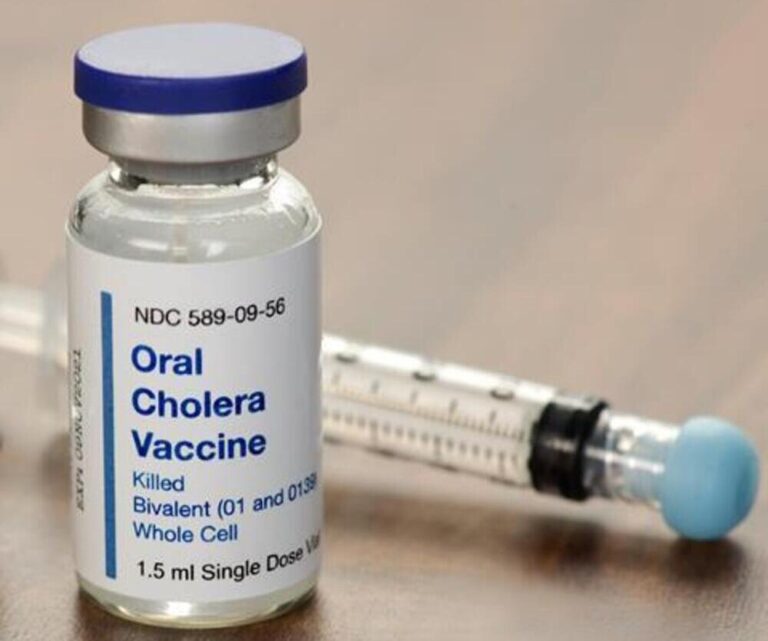
Zambia’s Industrial Development Corporation (IDC) and China’s Jijia International Medical Technology Co. Ltd have signed a joint venture agreement to establish a US$213 million vaccine manufacturing plant to reduce dependence on imported drugs.
The agreement will establish ZAMVAX Limited, a joint venture in which IDC will hold a 60 percent stake and Jijia 40 percent, with development expected to unfold in phases over the coming years.
Speaking during the signing ceremony in Lusaka, IDC chief executive Cornwell Muleya said the project’s first phase would require an investment of about US$24.13 million and focus on establishing an oral cholera vaccine fill-and-finish facility in the Lusaka South Multi-Facility Economic Zone.
The facility is expected to produce up to 20 million vaccine doses annually, with half earmarked for the domestic market and the remainder destined for export markets, subject to regulatory approvals and market access requirements.
Muleya said the initiative was driven in part by Zambia’s recurring cholera outbreaks and the need to develop local capacity to respond to public health emergencies.
Beyond cholera vaccines, the project is expected to expand into paediatric and animal vaccines as feasibility studies, financing arrangements and regulatory approvals are secured.
The initiative aligns with Zambia’s Grow Zambia Agenda, which seeks to promote industrialisation, local value addition, skills development and increased manufacturing capacity.
The agreement comes as African countries intensify efforts to build domestic vaccine manufacturing capabilities following lessons learned during the COVID-19 pandemic when much of the continent struggled to secure timely access to vaccines amid global supply shortages and export restrictions.
For decades, Africa has relied heavily on imports for routine immunisation and disease-control programmes, with the majority of vaccines used across the continent produced elsewhere.
The experience of the pandemic exposed vulnerabilities in global supply chains and renewed calls for greater pharmaceutical self-sufficiency.
In response, the African Union and the Africa Centres for Disease Control and Prevention (Africa CDC) have championed a continent-wide drive to increase local vaccine production.
Their target is for Africa to produce 60 percent of its vaccine requirements domestically by 2040, compared to a small fraction currently manufactured on the continent.
Several countries, including South Africa and Egypt, have since announced or launched vaccine manufacturing initiatives as part of efforts to strengthen regional health security and create pharmaceutical industries capable of serving both domestic and export markets.
JN/APA