





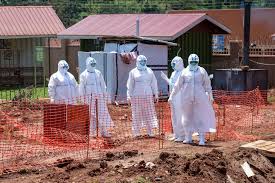
The Africa Centres for Disease Control and Prevention (Africa CDC) has called for the rapid disbursement and full traceability of $2.9 billion pledged for the Ebola response in the Democratic Republic of the Congo (DRC).
The appeal follows donor commitments announced at the G20+ ministerial meeting hosted by the United States in New York on 23 September where the DRC secured US$2.9 billion in support for its Ebola response effort.
In a statement on Sunday, Africa CDC said it would intensify efforts to monitor the flow of funds and ensure resources reach affected communities, health facilities and frontline health workers.
“Every dollar must be traceable from the donor’s commitment to the services delivered to communities,” the agency said.
Africa CDC welcomed the DRC government’s commitment to strengthening transparency, accountability and resource management, describing the move as consistent with priorities adopted at a high-level meeting convened by President Félix Tshisekedi in August.
The agency said its role in the response centres on mobilising resources, facilitating and monitoring timely disbursement of pledged funding and providing technical support in priority areas of the outbreak response.
To strengthen oversight, Africa CDC said it would enhance its Financial Tracking Mechanism in collaboration with the DRC government and development partners.
The system is intended to consolidate financial and operational information, identify funding gaps and reduce duplication of interventions.
The agency further urged all national and international partners to align their activities with national response priorities and provide timely information on funding received, expenditures, areas of operation and results achieved.
Africa CDC said it supports the use of national accountability measures, including administrative action against organisations that fail to comply with transparency and reporting requirements under Congolese law.
The funding push comes as the DRC continues to battle one of the world’s most persistent Ebola threats.
The country has experienced multiple outbreaks of the highly infectious viral disease over the past decade, with recurrent epidemics straining health systems and requiring extensive international support.
Ebola causes severe haemorrhagic fever and can spread through contact with infected bodily fluids.
Outbreaks in eastern and central DRC have been complicated by weak health infrastructure, population displacement and insecurity in some affected areas.
JN/APA