





The World Health Organization (WHO) has issued a stark warning that nearly 2.5 billion people worldwide could suffer from hearing loss by 2050.
This surge is expected to leave over 700 million people in need of specialized rehabilitation services. Africa is particularly vulnerable to this trend, with countries such as Nigeria, Kenya, the Democratic Republic of Congo, and Senegal facing the greatest risk due to a severe shortage of ear and hearing care (EHC) specialists and limited access to essential services.
Hearing loss can emerge at any stage of life, triggered by genetic factors, infections, trauma, and exposure to loud noise or ototoxic medications. Alarmingly, over one billion young people worldwide are at risk of permanent, preventable hearing loss due to unsafe listening habits. Untreated, the condition leads to social isolation, educational delays, and significant economic impact—costing the African continent an estimated $27 billion annually.
Fortunately, many causes are preventable through simple public health measures such as vaccination, noise protection, and infection prevention. The WHO notes that the cost of strengthening hearing care is remarkably low, requiring an investment of less than $1.40 per person per year. This small expenditure can yield a massive return of nearly $16 for every dollar invested over a decade.
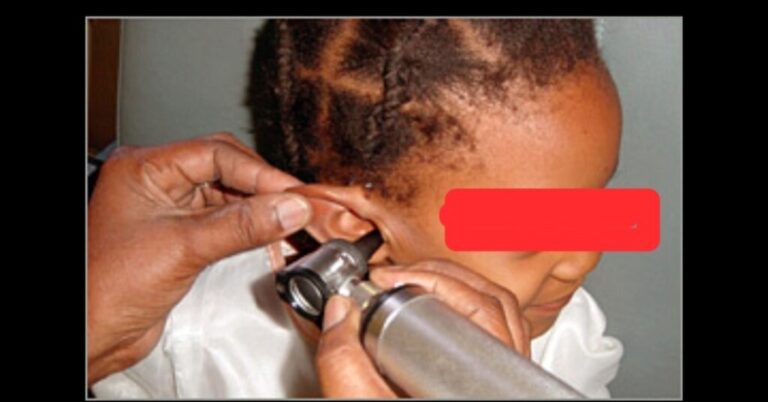
To combat this crisis, the WHO is urging African nations to integrate hearing screening into school health programs and primary care. By training healthcare personnel in basic ear care and promoting safe listening practices, countries can protect the cognitive and economic future of their populations. For World Hearing Day 2026, the focus is specifically on “Hearing care for every child,” highlighting the need to identify and treat hearing issues in classrooms before they cause lifelong developmental delays.
DM/ac/fss/abj/APA