





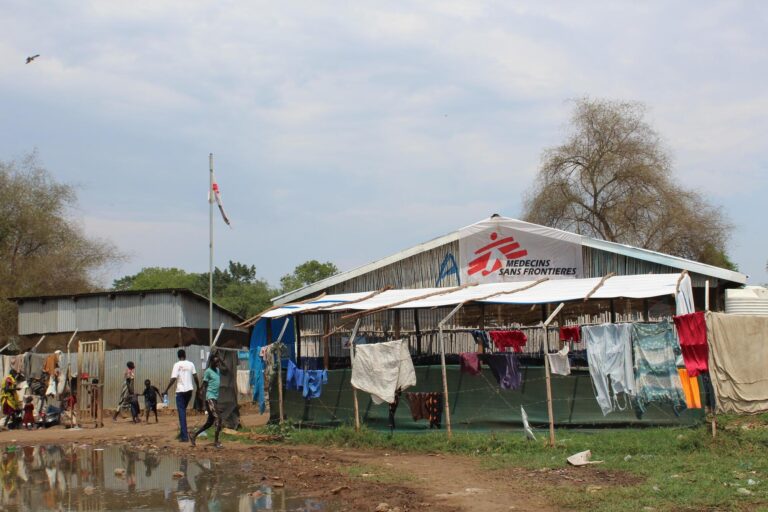
Living conditions for refugees in Ethiopia’s Gambella region are rapidly deteriorating following significant cuts to humanitarian aid in the region, the charity, Médecins Sans Frontières said on Wednesday.
”The sharp decline is largely due to global reductions in support from key donors such as USAID, straining basic services such as food distribution, healthcare, access to clean water, and sanitation services” MSF said in a statement.
According to MSF, significant cuts to humanitarian aid are causing a rapid deterioration of the living conditions for refugees in Gambella region.
Nutrition services in four out of seven refugee camps have been stopped, putting 80,000 children under five at risk of life-threatening malnutrition, the aid charity said.
”We urge humanitarian organisations and the Ethiopian authorities to scale up support and strengthen the healthcare system” it said.
Located in southwestern Ethiopia near the South Sudanese border, Gambella still hosts a large number of mostly South Sudanese refugees since 2014 with over 395,000 of them living in seven camps, including Kule refugee camp, where MSF has been providing healthcare services for over a decade.
Essential services on the brink of collapse
The general decline of humanitarian funding in the region has led to the suspension of nutrition services in four out of the seven refugee camps, leaving around 80,000 children under the age of five at risk of life-threatening malnutrition, MSF said.
“We receive food once a month—maize, wheat, and sorghum—but it always runs out before the month ends,” MSF quoted Nyauahial Puoch, a mother who travelled about eight kilometres from Tierkidi refugee camp to seek treatment for her 17-month-old daughter at MSF’s facility in Kule camp as saying. “Since last year, there has been a big decline. Some of the items we used to get are no longer provided at all.”
Puoch’s daughter was subsequently diagnosed with malnutrition.
Since October 2024, refugees in Kule camp have received as little as 600 calories a day—less than 30 percent of the recommended daily minimum of 2,100 calories per person.
Other refugee camps in the region are also experiencing a similar situation. At times, food distribution has stopped for months, due to international supply chain disruptions and funding shortages.
So far in 2025, MSF has recorded a 55 percent increase in child admissions to our therapeutic feeding centre compared to the previous year, with half of these children coming from other camps in the region.
WN/as/APA