



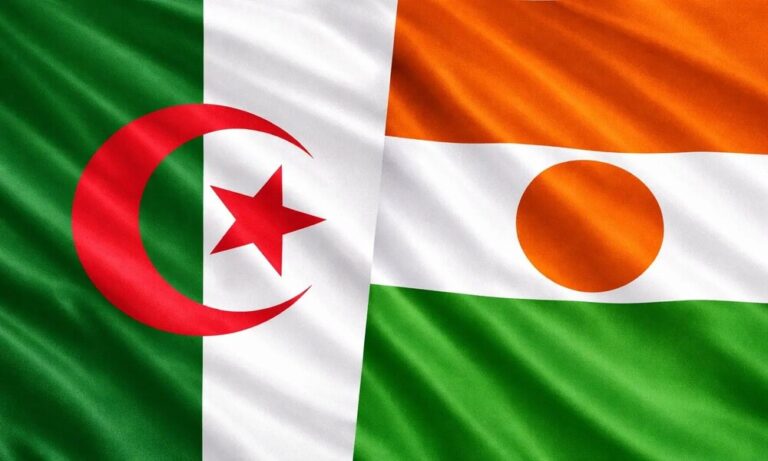
The Algerian government announced a significant shift in its regional engagement on Thursday, February 12, 2026, as President Abdelmadjid Tebboune ordered the immediate return of the Algerian ambassador to Niamey.
This move follows the recent return of Niger’s ambassador to Algiers, signaling a formal de-escalation of tensions and a step toward normalizing a relationship that has faced considerable strain in recent months. While the Algerian Ministry of Foreign Affairs framed the decision as an effort to strengthen “bonds of fraternity and good neighborliness,” the maneuver highlights the complex and fragile diplomatic landscape currently defining the Sahel region.
Algeria’s push to relaunch bilateral dialogue and multifaceted cooperation comes at a time when its traditional role as a regional mediator is being increasingly challenged. Historically, Algiers has positioned itself as the indispensable broker for crises in neighboring states like Mali, but the rise of military regimes and the entry of new extra-regional actors have forced a redefinition of security priorities. This return to Niamey is viewed by many analysts as a necessary readjustment to maintain a foothold in a competitive continental environment where Algerian influence has seen a perceived decline.
Central to this diplomatic push are the “strategic projects” mentioned in official communiqués, which refer to Algeria’s ambitions regarding energy corridors and trans-Saharan infrastructure. Projects such as the Trans-Saharan Gas Pipeline are vital for continental integration, yet progress has often been slow, leading to skepticism about Algiers’ capacity to deliver on its large-scale economic promises. By reinstating its diplomatic presence in Niger, Algeria hopes to breathe new life into these structuring projects while navigating the shifting alliances within the Sahel.
Simultaneously, Foreign Minister Ahmed Attaf has been engaging in high-level discussions on the sidelines of the African Union Executive Council in Addis Ababa, meeting with counterparts such as the Zimbabwean Foreign Minister. These meetings aim to coordinate on broader African issues and project an image of sustained continental leadership. Despite this flurry of activity, the normalization with Niger remains the most critical test of whether Algeria can successfully translate symbolic diplomatic gestures into a concrete, long-term stabilization of its southern border and regional interests.
MK/AK/fss/abj/APA