





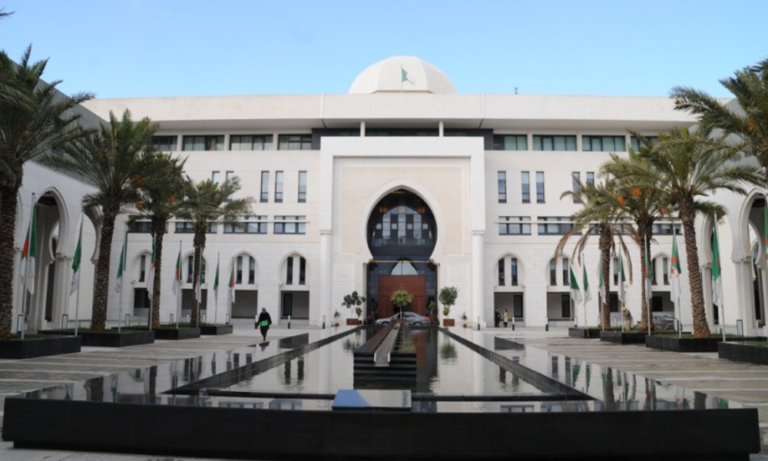
Presented by the authorities as one of the pillars of “national renewal,” Algerian diplomacy is currently being promoted through a proactive discourse highlighting its role in serving peace, the diaspora, and the economy.
Driven by the presidency of Abdelmadjid Tebboune, Algerian diplomatic action claims to have refocused on protecting citizens abroad, modernising the consular network, and mobilising the diaspora as a driver of development.
The opening in Algiers of the second Conference of Heads of Consular Missions is officially part of this dynamic.
Bringing together dozens of consuls general from around the world, the event aims to showcase the importance placed on the Algerian community abroad. But beyond the symbolism, this conference raises a central question: what concrete benefits will this offer Algerians in the diaspora, who often face chronic administrative delays and unevenly effective consular services? While the 2020 constitution did enshrine, for the first time, the protection of the rights and dignity of Algerians abroad as a state responsibility, the announced reforms are struggling to fully materialise on the ground.
The digital transformation of consular services remains incomplete, procedures are still cumbersome, and the expectations of a young, mobile, and highly skilled diaspora are far from being met.
The rhetoric of “partner in national renewal” thus contrasts sharply with an institutional framework still marked by centralisation, a lack of transparency, and a weak culture of evaluation.
Economically, Algerian diplomacy is claiming a greater role in attracting foreign investment and promoting non-hydrocarbon exports. Here again, the rhetoric is ambitious, but the indicators remain limited. The diversification of the Algerian economy remains embryonic, and foreign direct investment continues to be hampered by regulatory instability, bureaucratic red tape, and opaque economic governance.
The diplomatic network, often called upon to promote “Algerian products,” faces structural constraints that extend far beyond its scope of action.
The mobilisation of the diaspora is regularly invoked as a strategic asset, particularly for Africa and innovative sectors.
However, in the absence of clear incentive mechanisms, legal protection, and institutional trust, this diaspora remains underutilised.
Many Algerians abroad continue to perceive their relationship with the administration as hierarchical and dissuasive, rather than collaborative.
MK/AK/fss/as/APA