





Between the postponement of the points-based driving license system, increased fines, and deteriorating roads, Algeria’s interior minister is struggling to convince an incredulous public already exasperated by road safety issues and structural dysfunctions.
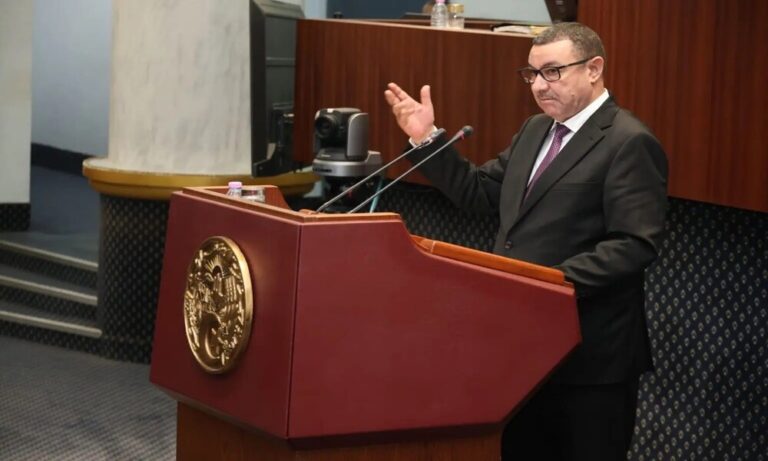
While traffic accidents continue to claim thousands of victims each year in Algeria, the presentation of the draft reform of the Highway Code to the National People’s Assembly by Interior Minister Said
Sayoud has reignited widespread anger among citizens.
Far from allaying concerns, the ministerial explanations have highlighted a persistent disconnect between official pronouncements and the daily realities faced by motorists. At the heart of the
announcements is the points-based driving license system, which has been presented for years as a key tool for holding drivers accountable.
However, the minister acknowledged that this system is still not operational and that, at best, it could not come into effect until 2026.
For many Algerians, this latest postponement illustrates the authorities’ chronic inability to implement reforms deemed urgent.
The points-based driving license thus appears less as an imminent solution than as a promise constantly postponed.
At the same time, the draft of the new Highway Code includes a significant increase in penalties and fines. Said Sayoud insists that the aim is not to “terrorise” citizens or to transform road safety
into a fiscal tool. This argument, however, struggles to hold coherence amid significant pressure on people’s purchasing power.
Many fear that the increased fines will, in effect, become an additional burden for already vulnerable households, without any tangible guarantee of improved safety. Anger is also fueled by a sense of injustice.
The authorities are placing considerable emphasis on driver behavior – speeding, dangerous maneuvers, human error – while acknowledging that the state of infrastructure plays a crucial role in the increase in accidents.
Yet, degraded roads, faulty signage, inadequate lighting, and irregular maintenance are commonplace on many roads, including strategic infrastructure.
For many road users, increasing penalties without seriously addressing these shortcomings amounts to placing the primary responsibility on citizens.
The example of haphazardly installed speed bumps illustrates this unease. The minister admitted that more than 70 percent of these devices are installed improperly, sometimes even on highways, outside of any regulatory framework.
This situation reveals a deficit in local governance and public space control, which the penalties stipulated in the new Highway Code will not be sufficient to correct.
Beyond the technical measures, the reform of the Highway Code highlights a deeper crisis of confidence. Many Algerians perceive these announcements as a partial, repressive response to a systemic problem involving failing infrastructure, a lack of effective prevention, and institutional delays. In this context, road safety appears less as a fully embraced national priority and more as an
issue being addressed as an emergency measure, at the risk of further fueling social distrust and frustration.
MK/AK/fss/as/APA