





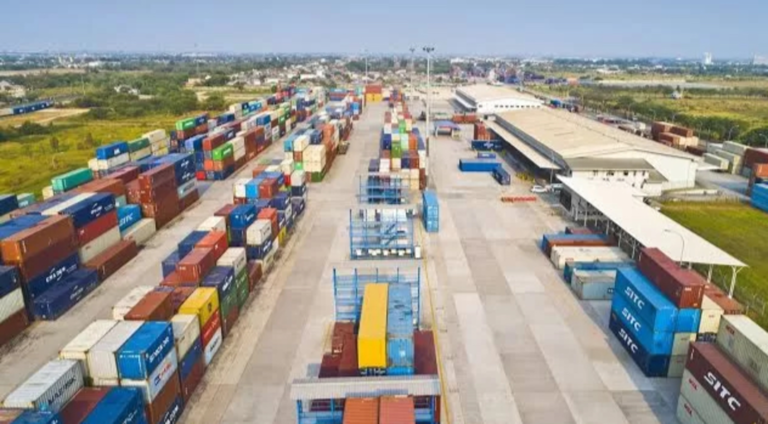
Belarusian President Aleksandr Lukashenko on Thursday proposed that his country partners Zimbabwe in constructing a dry port in Mozambique, saying the project would give both countries a strategic trade gateway on the southeastern African coast.
Lukashenko made the proposal during a meeting in Minsk with Zimbabwe’s Senate President, Mabel Chinomona, stressing that Belarus needs a logistical foothold in the region to strengthen trade routes for goods from Belarus and its partners, including Russia.
“We urgently need a strategic presence on the south-eastern coast of the African continent,” Lukashenko said.
“This means we should work together with Zimbabwe on building a port in your neighbouring country, Mozambique.”
He described the project as “a significant opportunity” for both Zimbabwe and Belarus.
“If we carry out this project together with Mozambique and Zimbabwe, including restoring railway links through your neighbour to Zimbabwe, your country could become a crucial hub for vital goods — not only from Belarus to southern Africa but also for products from other countries, especially Russia.”
He asked Chinomona to relay the proposal to President Emmerson Mnangagwa.
The proposal comes amid rapidly expanding bilateral cooperation. Since 2019, Belarus and Zimbabwe have strengthened ties through multi‑billion‑dollar agreements in agriculture, mining, machinery supply and education.
Belarus has delivered hundreds of tractors, harvesters and trucks to Zimbabwe under government‑to‑government deals while Mnangagwa has repeatedly praised Minsk as a “reliable partner.”
Lukashenko’s 2023 state visit to Harare – the first by a Belarusian leader – cemented the relationship, resulting in new cooperation agreements and discussions on logistics infrastructure to support growing trade volumes.
Zimbabwe has long sought direct access to the Indian Ocean through Mozambique to reduce reliance on South African ports.
Harare has previously explored establishing a dry port in Beira or Nacala, aiming to streamline imports and exports, cut transport costs and improve regional competitiveness.
JN/APA