



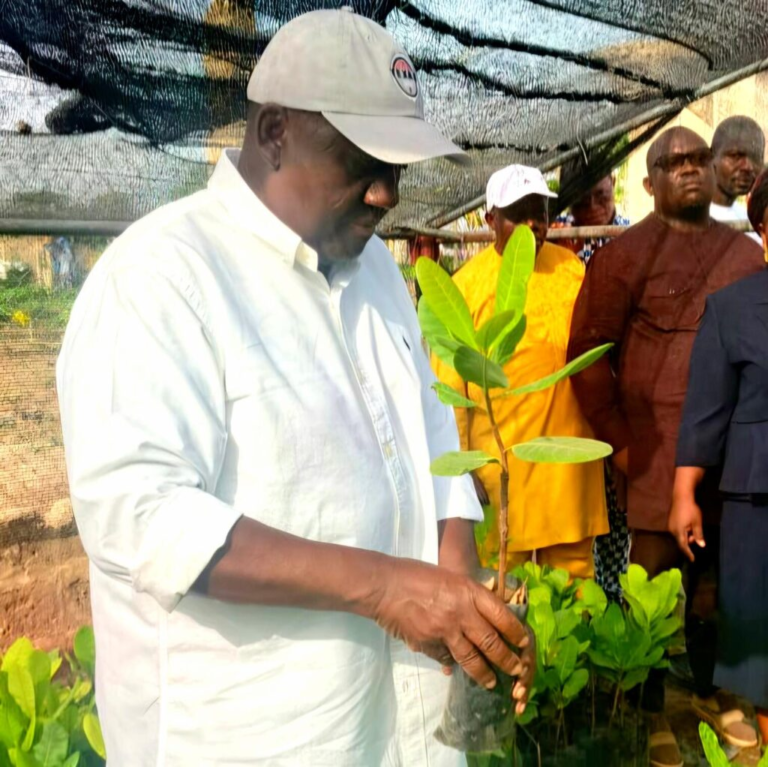
The government of Benin officially inaugurated the 2026–2027 agricultural season on April 23, 2026, in Komiguéa, outlining a comprehensive plan to significantly boost yields across the nation’s primary value chains.
Chaired by Gaston Cossi Dossouhoui, the Minister of Agriculture, Livestock and Fisheries, the launch focused on enhancing the competitiveness and sustainability of Benin’s production systems, with a specialized emphasis on the cashew sector. The ambitious targets for this campaign include a 16% increase in cereal output to 3.4 million tonnes and a 17% rise in roots and tubers to 9.46 million tonnes.
Beyond staples, industrial and vegetable crops are projected to see substantial growth, with cotton production expected to reach 700,000 tonnes and cashew nuts forecasted at 250,000 tonnes. Livestock and fisheries are also integrated into this growth strategy, with anticipated increases in meat, egg, and fishery production. These objectives are supported by a multi-faceted approach involving improved access to high-quality inputs, advanced agricultural mechanization, better water management, and more robust sector governance.
The ceremony, which took place in N’Dali—a region where over 80% of the population relies on farming—concluded with the formalizing of performance contracts for heads of decentralized agricultural agencies. Agricultural stakeholders, represented by Jean Kpétéré of the National Chamber of Agriculture, emphasized that this season should serve as a catalyst for innovation and shared responsibility. By setting these rigorous benchmarks, Benin aims to leverage its agricultural sector as a primary engine for economic stability and national food security over the next year.
TE/lb/abj/APA